Preparing Your Mansfield Home for Texas Summer Heat
How do you prepare your home for a Texas summer?
Preparing a Mansfield home for summer heat means getting your AC serviced before the heat arrives, watering your foundation consistently to protect against clay soil movement, checking your attic insulation, and staying ahead of your AC’s condensate drain line. These steps protect both your comfort and your home’s structure through the hottest months of the North Texas year.
By The Chad Smith Team | August 10, 2026
North Texas summers don’t ease in — they arrive, and they stay. Getting a few things in order before the heat peaks saves you money, protects your home, and means fewer surprise repairs in August.
Get Your AC Serviced Before You Need It

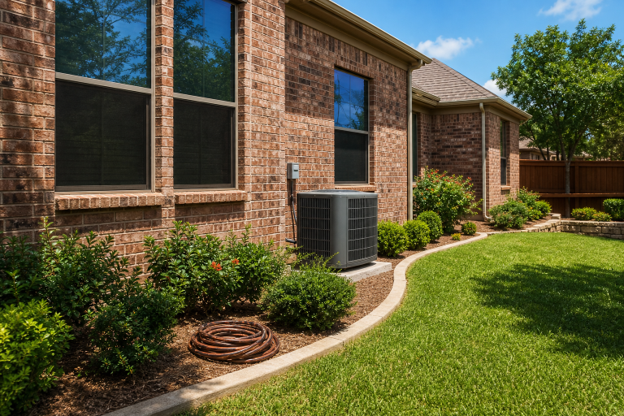
Central Texas air conditioners work harder than systems almost anywhere else in the country, often running 2,500 to 3,000 hours a year. A professional tune-up before the season peaks — checking refrigerant levels, electrical connections, and coils — catches small issues before they become a system failure on the hottest day of the year, which is also the day every HVAC company in the area is booked solid.
While you’re at it:
• Replace air filters, and plan to keep replacing them every 30–45 days through peak season. A dirty filter forces your system to work harder and can increase energy use by 10–20%.
• Check attic insulation. Gaps let conditioned air escape and let attic heat push down into your living space.
• Seal any obvious gaps around windows, doors, and ductwork where cool air leaks out.
Don’t Forget the Condensate Drain Line
This is the part homeowners most often overlook. Your AC pulls humidity out of the air — in Texas, that can add up to as much as 20 gallons of water a day — and that water has to go somewhere through the condensate line. Left unchecked, that line grows algae and clogs, which can trigger a shutoff or, worse, a leak into your ceiling.
Pour about a cup of white vinegar down the drain line access point once a month through summer. It’s a two-minute task that prevents a genuinely unpleasant repair.
Water Your Foundation — Yes, Really
This might be the least intuitive piece of Texas home maintenance, but it matters more than almost anything else on this list.
North Texas sits on clay-heavy soil that expands when it’s wet and shrinks hard when it dries out. A hot, dry summer without any intervention can cause the soil around your foundation to pull away, and that uneven movement is one of the leading causes of foundation problems in this region.
The fix: run a soaker hose around your foundation’s perimeter, roughly 12 to 18 inches out, on a simple timer. The goal isn’t to soak the ground — it’s to keep moisture levels steady so the soil doesn’t swing between soaked and bone-dry. If you notice a visible gap forming between your foundation and the surrounding soil, that’s your sign the ground needs more consistent moisture.
Plants and landscaping close to the foundation can help retain moisture too, as long as they’re not directly against the slab.
Keep an Eye on Your Energy Bills
A sudden spike in your electric bill, beyond what you’d expect from higher AC usage, is often the first sign of a system working harder than it should — whether that’s a refrigerant issue, a duct leak, or a filter that’s overdue for a change. Catching that early is cheaper than catching it in month three of summer.
Small Things That Add Up
• Close blinds and curtains on the sun-facing side of the house during peak afternoon hours to reduce heat gain.
• Run ceiling fans counterclockwise in summer to push cool air down.
• Check outdoor faucets and irrigation systems for leaks now, before a small leak turns into a wasted-water bill in July.
• If your home has a pool, confirm the pump and filtration system are running efficiently, and double-check that your homeowners insurance reflects any pool-related coverage before the heaviest use season hits.
Why This Matters If You’re Thinking About Selling
If a summer sale is on your radar, a well-maintained home shows better and raises fewer questions during inspection. Foundation issues in particular are one of the first things buyers and their inspectors look for in this market, and a home with visible watering neglect can raise concerns that a well-maintained one won’t.
Frequently Asked Questions
How often should I water my foundation during a Texas summer?
Several times a week using a soaker hose is typical during the hottest, driest stretches, with the goal of steady soil moisture rather than one heavy soaking.
What temperature should I set my thermostat to in summer to save money without straining my AC?
Most energy providers recommend somewhere around 78 degrees when you’re home, adjusted higher when you’re away, as a balance between comfort and system strain, though your specific comfort level and home’s insulation will factor in too.
How do I know if my foundation needs watering?
Look for a visible gap between the soil and your foundation, or soil that looks dry and pulled away from the slab. That’s a sign to start or increase watering.
Can neglecting AC maintenance actually damage the system?
Yes. A dirty filter or low refrigerant forces the compressor to work harder, which shortens the system’s lifespan and increases the odds of a mid-summer breakdown.
Does foundation watering apply to homes with foundation repairs already done?
Yes. Even homes with prior foundation repair benefit from consistent moisture management, since the same clay soil conditions that caused the original issue are still present.
Staying ahead of summer maintenance protects your home whether you’re planning to stay for years or thinking about listing. If you want a second opinion on anything that’s come up during a summer walkthrough of your home, we’re happy to help.
About The Chad Smith Team
The Chad Smith Team at Realty of America is one of the top-producing real estate teams in the Dallas-Fort Worth Metroplex, with more than 22 years of experience, 2,915 homes sold, and recognition by RealTrends among the top 1% of real estate professionals nationwide. The team helps first-time buyers, sellers, relocation clients, and new construction buyers throughout Arlington, Mansfield, Fort Worth, Midlothian, Waxahachie, and surrounding DFW communities. Through this blog, the Chad Smith Team shares expert market insights and practical advice to help North Texas buyers and sellers make informed real estate decisions.