Foundation Issues in Mansfield, TX: What Buyers and Sellers Should Know
How Common Are Foundation Issues in Mansfield, TX Homes?
Mansfield sits on the same expansive clay soil found across most of North Texas, which swells when wet and shrinks when dry, putting constant pressure on home foundations year-round. DFW-area foundation repairs typically run $8,000 to $12,000, and waiting on early warning signs can multiply that cost several times over. A properly repaired foundation with a transferable warranty and a structural engineer's report usually only reduces a home's value by 2 to 5%, while unrepaired, undocumented damage can cut value by 10 to 30% and even cause a lender to deny financing altogether.
By The Chad Smith Team | July 15, 2026
Foundation issues come up in almost every Mansfield transaction at some point, either as a buyer's concern during inspection or a seller's disclosure question. Here's what's actually normal for this region, what it costs, and how it affects your financing and your home's value.
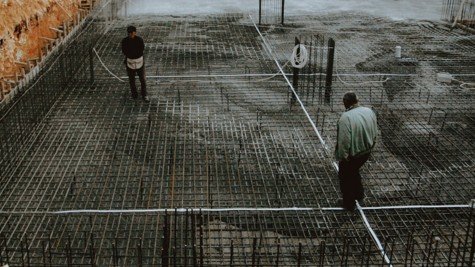
In North Texas, concrete foundations sit on reactive clay soil that expands and contracts through wet and dry cycles.
Why This Is a North Texas Problem, Not Just a Mansfield One
The Dallas-Fort Worth area sits on some of the most volatile expansive clay soil in the country. This clay absorbs water and swells during wet periods, then contracts and pulls away from structures during dry spells — and that cycle repeats every year, putting ongoing pressure on foundations across the entire region.
This matters for how you think about the issue: seeing foundation work in a home's history in Mansfield isn't automatically a red flag the way it might be in a region with stable soil. It's closer to a normal maintenance item for this part of Texas — the real question is whether it was diagnosed and repaired correctly, not whether it happened at all.

Cracks, sticking doors, and uneven floors should be evaluated early before small issues become expensive repairs.
What Foundation Repair Actually Costs
Costs vary based on severity, but recent DFW-area figures give a useful range:
Typical repair cost: around $8,000 to $12,000 in the Dallas-Fort Worth area, reflecting the region's more severe clay conditions compared to statewide averages of $4,500 to $18,000.
Pier count: most repairs involve 8 to 12 piers, though severe cases can require 20 or more.
The cost of waiting is the part that should get your attention. One documented case started as a $5,200 repair needing about 6 piers — and after a year of no action, it escalated to $26,800, requiring 22 piers and structural beam replacement. Foundation issues don't stay the same size while you decide what to do; they tend to get more expensive the longer they sit.

Repair costs, pier counts, and documentation should be reviewed before buyers or sellers make a decision.
How This Affects Financing and Appraisals
Lenders care about foundation condition because it's a core structural requirement across FHA, VA, and conventional loans. Active, unrepaired foundation problems can cause an appraisal to come in below your contract price, or lead a lender to deny funding on the home entirely.
Once a foundation is properly repaired and documented, the picture changes substantially:
A well-documented, warrantied repair typically reduces a home's value by only 2 to 5% — and in a strong seller's market, sometimes has no measurable impact at all.
Unrepaired, undocumented foundation damage is a different story entirely — it can reduce value by 10 to 30% and, in the worst cases, prevent a sale outright because a lender won't fund it.
The math tends to favor fixing it: an $8,000 to $15,000 repair can protect $30,000 to $50,000 or more in home equity that would otherwise be at risk.
If You're Selling: The Warranty Transfer Matters More Than People Think
If your home has had foundation work done, the warranty on that repair doesn't automatically follow the house to a new owner — it has to be formally transferred, and the process is more time-sensitive than most sellers expect.
Typically, this involves the new buyer completing and notarizing a warranty transfer application, often along with a transfer fee (commonly around $200, though some companies waive it if the sale happens soon after the repair). Most foundation repair companies require this transfer to happen within 30 days of closing — miss that window, and the warranty can expire and become non-transferable, even if the underlying repair was done correctly.
If you're selling a home with prior foundation work, gather your paperwork before you list: the original repair contract, scope of work, permits, inspection records, and ideally a structural engineer's report confirming the repair was appropriate. This documentation is exactly what preserves your home's value at resale and gives a buyer's lender confidence to fund the purchase. It's also worth remembering this connects directly to your Seller's Disclosure Notice — past foundation repairs are something you need to disclose if you know about them.
If You're Buying: How to Evaluate a Home With Foundation Work
Finding foundation work in a home's history shouldn't automatically take it off your list. A properly repaired, well-documented foundation is often a perfectly reasonable purchase — sometimes a safer one than an older home that's never had an engineer look at it at all.
What to check for:
A transferable, ideally lifetime, warranty from a reputable local foundation company.
A structural engineer's report confirming the repair addressed the problem correctly, not just a patch job.
Complete documentation — contract, permits, scope of work, and inspection records.
Whether the warranty transfer has actually been completed — and if not, make sure it happens within 30 days of your closing so you don't lose the protection.
Red flags look different: no documentation at all, work that looks improvised rather than engineered, active cracking or doors and windows that stick, or a seller who's vague about when repairs happened. Your option period is exactly the window to bring in a foundation specialist if inspection raises any concern — don't wait until after closing to get a professional opinion.
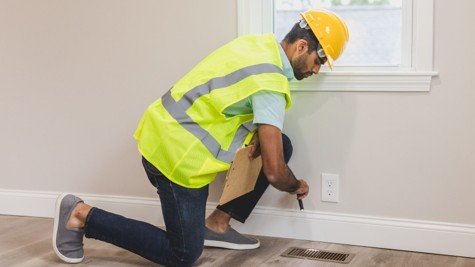
A buyer’s option period is the right time to bring in an inspector or foundation specialist if warning signs appear.
What We Help Buyers and Sellers With
We work with local structural engineers and reputable foundation repair companies regularly, and we help both sides understand whether a specific home's foundation history is a real concern or a well-handled, normal North Texas repair. For sellers, we make sure your documentation and warranty transfer are in order before you list. For buyers, we help you get the right professional opinion during your option period so you're deciding with real information, not guesswork.
If you're facing a foundation question on either side of a transaction, we're happy to help you think it through.
Frequently Asked Questions
Why do so many Mansfield/North Texas homes have foundation issues?
The entire Dallas-Fort Worth region sits on expansive clay soil that swells when wet and shrinks when dry, creating ongoing pressure on foundations. This makes foundation maintenance a normal part of homeownership across North Texas, not a sign that something unusual is wrong with a specific house.
How much does foundation repair typically cost in the DFW area?
DFW-area foundation repairs typically run $8,000 to $12,000, reflecting the region's especially reactive clay soil, with statewide costs ranging from $4,500 to $18,000 depending on severity. Waiting to address early signs can multiply the eventual cost significantly.
Does a repaired foundation hurt my home's value when I sell?
Not much, if it's done right. A properly repaired foundation with a transferable warranty and structural engineer's documentation typically reduces value by only 2 to 5%. Unrepaired or undocumented damage is what causes serious value loss, often 10 to 30%.
What happens to a foundation warranty when I buy a home with an existing repair?
The warranty has to be formally transferred to you as the new owner, typically through a notarized application and sometimes a transfer fee, within 30 days of closing. If that transfer isn't completed in time, the warranty can expire and become non-transferable, even though the repair itself is still valid.
Can I get a mortgage on a home with foundation problems?
It depends on whether the problem is active and unrepaired or already fixed and documented. Lenders generally require a structurally sound home, so active foundation issues can cause a low appraisal or an outright loan denial, while a properly repaired and documented foundation usually clears financing without issue.
About The Chad Smith Team
The Chad Smith Team at Realty of America is one of the top-producing real estate teams in the Dallas-Fort Worth Metroplex, with more than 22 years of experience, 2,915 homes sold, and recognition by RealTrends among the top 1% of real estate professionals nationwide. The team helps first-time buyers, sellers, relocation clients, and new construction buyers throughout Arlington, Mansfield, Fort Worth, Midlothian, Waxahachie, and surrounding DFW communities. Through this blog, the Chad Smith Team shares expert market insights and practical advice to help North Texas buyers and sellers make informed real estate decisions.