Is a Fixer-Upper Worth It in Mansfield’s Current Market?
Is buying a fixer-upper a good idea in Mansfield right now?
It can be, but the math is tighter than it used to be. Renovation costs have climbed sharply — a kitchen remodel alone can run tens of thousands of dollars — so the upfront discount on a fixer-upper doesn’t always translate into real savings once the work is done. In Mansfield’s more balanced 2026 market, buyers have more negotiating room on dated homes, which helps. The key is running honest numbers: purchase price plus renovation costs plus a 20% buffer, compared against a move-in-ready home.
By The Chad Smith Team | August 20, 2026
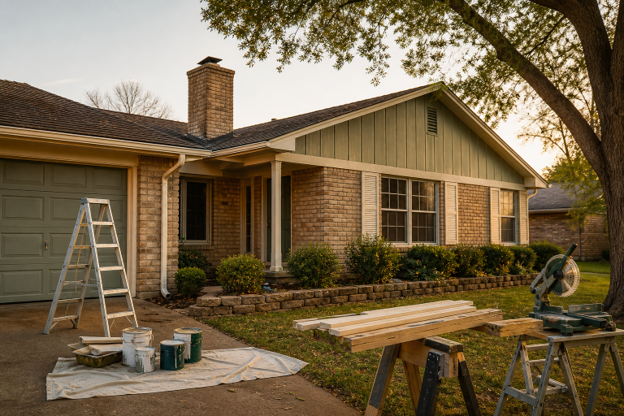
A fixer-upper is tempting, especially when move-in-ready prices feel high. You buy for less, put in some work, and end up with instant equity — at least that’s the pitch. In Mansfield’s current market, that story can still work, but only if you go in with clear eyes about what renovations actually cost today. Here’s how to think it through.
The Appeal Is Real — and So Are the Costs
The case for a fixer-upper hasn’t changed: a lower purchase price, less competition from other buyers, and the chance to build equity by improving the home yourself. In a market where turnkey homes command a premium, a dated house can be a genuine opportunity.
But here’s the catch that’s specific to right now: everything you’d renovate costs significantly more than it did five years ago. National data shows kitchen remodels averaging as high as $89,000, and other big-ticket projects — roofs, HVAC systems, whole-house flooring — have all climbed with material and labor costs.
That changes the equation. The discount you get on the purchase price has to be big enough to cover today’s renovation costs and still leave you ahead. Sometimes it is. Sometimes the “deal” evaporates once you price out the work.
Mansfield’s Current Market Actually Helps
The timing has an upside. Mansfield’s market has cooled from its peak — the median sale price sits around $420,000, and homes are no longer flying off the market with multiple offers the way they were a couple of years ago.
For a fixer-upper buyer, a more balanced market is good news:
• More negotiating room. Dated homes that need work tend to sit longer, which gives you leverage to negotiate the price down before you ever swing a hammer.
• Less competition. Fewer buyers are chasing project houses, so you’re less likely to get into a bidding war on one.
• Time to do diligence. In a frantic market, buyers waive inspections and skip contractor walkthroughs. A calmer market lets you do the homework that protects you.
That last point matters most. The single biggest mistake with a fixer-upper is underestimating the scope of the work — and the current market gives you the breathing room to avoid it.
Run the Numbers Honestly

Before you fall for a project house, build a realistic total-cost estimate. A fixer-upper is worth it only if the full picture beats a comparable move-in-ready home. Here’s the framework:
1. Purchase price — what you’ll actually pay after negotiating.
2. Renovation costs — get real estimates, not guesses. Walk the home with a contractor during your option period and price out the major items.
3. A 20% buffer — add it on top of your renovation estimate. Surprises are the rule, not the exception, once walls come open.
4. Carrying costs — if the home isn’t livable during renovation, factor in the cost of living elsewhere while the work happens.
Add those up and compare the total to what a similar finished home in the same area would cost. If the fixer comes out meaningfully lower, it may be worth it. If the numbers land close, the move-in-ready home is usually the smarter buy — you get the finished product without the risk and hassle.
This is the same core trade-off buyers weigh between older and newer homes generally. Our comparison of new construction versus resale in Mansfield covers the broader version of that decision.
Don’t Skip the Inspection — Especially on the Foundation
With a fixer-upper, the home inspection isn’t optional. You want to know exactly what you’re taking on before you’re committed.
Pay particular attention to the big-ticket systems: foundation, roof, HVAC, electrical, and plumbing. These are the items that can turn a cosmetic project into a money pit. Cosmetic work — paint, flooring, fixtures — is predictable and manageable. Structural and system problems are where budgets blow up.
In North Texas, the foundation deserves special attention. Our expansive clay soil expands and contracts with moisture, which puts stress on slabs over time — and older homes have had more years for that stress to show up. Before you commit to a project house here, get the foundation evaluated. Our guide to foundation issues in Mansfield explains what to watch for and why it matters so much locally.
Who a Fixer-Upper Makes Sense For
A fixer-upper tends to work best if you:
• Have cash reserves beyond your down payment to fund renovations and absorb surprises
• Are comfortable managing contractors, or willing to do some work yourself
• Aren’t on a tight timeline to move in
• Have found a home where the purchase discount genuinely clears the renovation cost plus buffer
It tends to work poorly if you’re stretching your budget just to buy the house, need to move in right away, or are counting on the renovation coming in “close to estimate.” It rarely does.
There’s no universally right answer — it comes down to your finances, your timeline, and the specific home. That’s exactly the kind of scenario worth modeling out with someone who knows local renovation costs and resale values before you write an offer.
Frequently Asked Questions
Do you really save money buying a fixer-upper?
Sometimes, but less than many buyers expect. Renovation costs have risen sharply, so the lower purchase price has to more than cover the cost of the work. Run the full numbers — purchase, renovation, and a 20% buffer — before assuming you’re saving.
How much should I budget for surprises in a renovation?
Add at least 20% on top of your renovation estimate as a buffer. Once work begins, hidden issues behind walls and under floors are common, and that cushion keeps a surprise from derailing your budget.
Is now a good time to buy a fixer-upper in Mansfield?
The current, more balanced market works in a fixer-upper buyer’s favor. Dated homes sit longer, giving you negotiating leverage and time to do proper inspections and contractor walkthroughs — both essential for a project house.
What should I inspect most carefully on a fixer-upper?
Focus on the major systems: foundation, roof, HVAC, electrical, and plumbing. In North Texas, the foundation deserves extra scrutiny because of expansive clay soil. These items, not cosmetics, are what blow up renovation budgets.
Should I get a contractor to look at the home before buying?
Yes. Walking the home with a contractor during your option period gives you real renovation estimates instead of guesses, which is the only way to know whether the deal actually pencils out.
If you’re weighing a fixer-upper against a move-in-ready home in Mansfield, we’re happy to help you run the real numbers and think through the trade-offs. Reach out anytime.
About The Chad Smith Team
The Chad Smith Team at Realty of America is one of the top-producing real estate teams in the Dallas-Fort Worth Metroplex, with more than 22 years of experience, 2,915 homes sold, and recognition by RealTrends among the top 1% of real estate professionals nationwide. The team helps first-time buyers, sellers, relocation clients, and new construction buyers throughout Arlington, Mansfield, Fort Worth, Midlothian, Waxahachie, and surrounding DFW communities. Through this blog, the Chad Smith Team shares expert market insights and practical advice to help North Texas buyers and sellers make informed real estate decisions.