Getting Your Home Ready for North Texas Storm Season
How do you prepare your home for North Texas storm season?
Preparing for North Texas storm season means inspecting your roof for existing hail or wind damage, trimming trees with dead or overhanging limbs, cleaning gutters so heavy rain drains away from your foundation, and reviewing your homeowner’s insurance policy — especially your separate wind/hail deductible — before severe weather hits. Documenting your home’s condition with photos now also makes any future claim easier to file.
By The Chad Smith Team | August 11, 2026
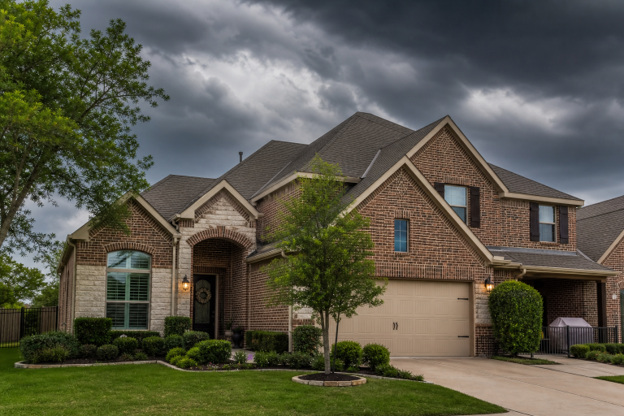
North Texas storm season brings hail, high winds, and sudden severe weather that can move through fast and do real damage. Getting ahead of it takes a few hours, and it’s a lot cheaper than dealing with storm damage unprepared.
Start With the Roof

Your roof takes the brunt of any hailstorm, and it’s also the hardest part of your home to inspect yourself. A qualified roofing contractor can spot cracked flashing, lifted shingles, and soft spots that are invisible from the ground but become real problems the next time hail or high wind moves through.
If your roof is more than ten years old, or has taken a hail hit in the past couple of seasons, schedule an inspection now rather than after the next storm. Catching wear early is a maintenance conversation. Catching it after a storm, when your roof has already failed, is a much more expensive one.
Trim Trees Before Wind Season Tests Them
Mature trees are one of the most common sources of storm damage in this region. High winds turn dead or weak branches into projectiles that can punch through roofing, crack windows, or damage siding.
Walk your property and look specifically for:
• Dead or visibly weak limbs, especially those hanging over the roof
• Branches touching or close to power lines
• Trees leaning noticeably or showing exposed roots
Trimming these now, before wind season, is a straightforward way to reduce your risk with a single afternoon of work or one call to a tree service.
Clean Your Gutters
Heavy rain during a storm needs somewhere to go, and clogged gutters send that water in the wrong direction — over the sides, pooling near your foundation, or backing up under roof shingles. Clear out leaves and debris before storm season, and check again after any major weather event.
Review Your Insurance Before You Need It, Not After
This is the step people skip, and it’s the one that matters most when a storm actually causes damage. Pull out your homeowners insurance policy and check three things:
• Your wind/hail deductible. Many Texas policies carry a separate wind/hail deductible, often 1–2% of your dwelling coverage amount, distinct from your standard deductible. If you don’t know this number, find out now.
• Replacement cost versus actual cash value coverage. Replacement cost (RCV) pays to replace damaged materials at current prices. Actual cash value (ACV) factors in depreciation, which can leave you covering more of the gap yourself.
• Age-based exclusions. Some policies limit coverage or apply different terms for roofs over a certain age. Know where your roof stands.
Document Your Home Now
Take photos or a short video walking the exterior of your home — roof, siding, fencing, any outdoor structures — before storm season gets underway. If you ever need to file a claim, having a clear “before” record makes proving storm-caused damage far easier than trying to reconstruct what things looked like after the fact.
A Note on Roofing Upgrades
If you’re due for a roof replacement anyway, Class 4 impact-rated shingles are worth asking about. Most major Texas insurance carriers offer a discount — commonly in the 20–30% range — on the wind/hail portion of your premium for homes with Class 4 roofing, which can offset some of the upgrade cost over time.
What This Means If You’re Selling This Season
A documented, well-maintained roof, a clean gutter and drainage system, and a solid record on foundation care aren’t just storm prep — they’re also exactly what a buyer’s inspector will be looking at closely in this market. Getting ahead of storm season protects your home either way, whether you’re staying or getting ready to list.
Frequently Asked Questions
When is storm and hail season in North Texas?
North Texas storm activity is most common in spring and can extend into summer, though severe weather can occur at other times of year as well. Preparing before the season ramps up is more effective than reacting once storms are already forecast.
What’s a wind/hail deductible, and how is it different from my regular deductible?
It’s a separate deductible many Texas homeowner policies apply specifically to wind and hail damage claims, often calculated as a percentage of your dwelling coverage rather than a flat dollar amount. It can be significantly different from your standard deductible, so it’s worth confirming directly with your insurer.
Should I get a roof inspection if I don’t see any visible damage?
Yes, especially if your roof is older or has been exposed to hail in recent seasons. Many issues aren’t visible from the ground and only show up during a close inspection.
Do Class 4 shingles really lower my insurance premium?
Many major Texas carriers offer a discount on the wind/hail portion of your premium for Class 4 impact-rated shingles, though the exact amount varies by insurer, so confirm specifics with your provider.
What should I do immediately after a storm damages my home?
Document the damage with photos before any cleanup or temporary repairs, contact your insurance company promptly, and get a qualified contractor’s assessment before signing any repair agreement.
Getting your home storm-ready is one of those tasks that’s easy to put off until it’s urgent. If you’d like a referral to a trusted local roofer or just want to talk through what’s worth prioritizing before the next storm system moves through, reach out anytime.
About The Chad Smith Team
The Chad Smith Team at Realty of America is one of the top-producing real estate teams in the Dallas-Fort Worth Metroplex, with more than 22 years of experience, 2,915 homes sold, and recognition by RealTrends among the top 1% of real estate professionals nationwide. The team helps first-time buyers, sellers, relocation clients, and new construction buyers throughout Arlington, Mansfield, Fort Worth, Midlothian, Waxahachie, and surrounding DFW communities. Through this blog, the Chad Smith Team shares expert market insights and practical advice to help North Texas buyers and sellers make informed real estate decisions.