Understanding Parker County Property Taxes for Aledo Buyers
How much are property taxes in Aledo, Texas?
Aledo homeowners pay a median effective property tax rate of roughly 1.52%, which works out to a median annual bill near $8,328 — higher than both the Texas state median of about 1.48% and the national median of roughly 1.02%. Parker County’s overall effective rates range from about 1.50% to 2.10% depending on which taxing jurisdictions apply to a specific address, with Aledo ISD carrying the highest rate in the county.
By The Chad Smith Team | October 27, 2026
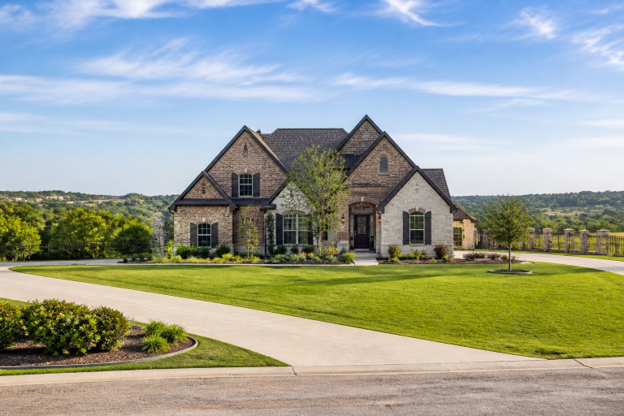
Aledo has become one of the more sought-after addresses west of Fort Worth, and the tax bill that comes with it reflects that demand — along with a top-rated, fast-growing school district that draws a premium. If you’re budgeting for a home in Aledo, here’s what actually shows up on that bill and why it looks the way it does.
What makes up your Aledo tax bill
Your property tax bill isn’t one number set by one entity. It’s a stack of rates from every taxing jurisdiction that covers your specific address, which typically includes:
• Parker County — the county’s general rate
• Aledo ISD — the school district rate, which is the largest single piece of most bills in this area
• Emergency services or road districts, where applicable, depending on the exact location
• City of Aledo, if the property falls within city limits rather than the extraterritorial jurisdiction
Because these layers stack differently depending on the parcel, two homes a few streets apart can carry noticeably different effective rates. That’s why Parker County’s overall range runs from roughly 1.50% up to 2.10%.
How Aledo compares
Aledo ISD has the highest tax rate of any jurisdiction in Parker County, which is part of why homes here tend to carry a higher effective rate than the county average. At a median effective rate of about 1.52%, Aledo runs a bit above the Texas state median of 1.48%, and well above the 1.02% national median.
That gap matters when you’re comparing Aledo to other Parker County communities like Weatherford, or to Tarrant County suburbs closer to Fort Worth. A home with a similar price tag can carry a meaningfully different monthly payment once you factor in the tax line, so it’s worth running the actual numbers for any address you’re seriously considering rather than assuming rates are uniform across the county.
Homestead exemptions can reduce what you owe
If the home will be your primary residence, Texas offers a general homestead exemption that reduces the taxable value used to calculate your school-district taxes, along with additional exemptions available to homeowners who are over 65 or have a qualifying disability. These exemptions have to be filed with the Parker County Appraisal District — they aren’t automatic, and the filing deadline matters, so this is something to handle promptly after closing.
Acreage and agricultural valuation
Aledo sits in an area with a real mix of subdivision lots and larger acreage properties, and that acreage comes with its own tax consideration. Land that qualifies for an agricultural or wildlife management valuation is taxed based on its production value rather than full market value, which can significantly lower the tax bill on rural parcels. If you’re looking at a property with several acres, ask whether it currently carries an ag exemption and what happens to that valuation if the use changes after you buy — losing ag status can trigger a rollback tax on the difference.
Running a real example
Numbers make this easier to picture. On a $500,000 home taxed at Aledo’s median effective rate of roughly 1.52%, you’re looking at an annual property tax bill of about $7,600, or roughly $633 a month folded into your mortgage payment through escrow. On a $700,000 home, that same rate works out to about $10,640 a year, or roughly $887 a month. These are estimates based on the median rate — your specific parcel could run higher or lower depending on the exact jurisdictions that apply, which is exactly why confirming the real number for an individual address matters so much before you commit to a monthly payment.
Recent statewide tax relief
Texas has passed several rounds of property tax relief in recent years, including increases to the general homestead exemption and compression of school district maintenance and operations tax rates, which lower the effective rate homeowners actually pay even when the underlying tax rate looks similar year to year. These changes apply statewide, including in Parker County, but the exact impact on any given bill depends on the property’s value, exemptions, and the specific taxing entities involved. It’s worth asking your agent or the appraisal district how current relief measures apply to a property you’re considering, since the number on an old listing or a prior year’s tax record may not reflect what you’d actually owe.
New construction and your first tax bill
Aledo has seen a fair amount of new construction in recent years, and new-build buyers should know that the first year’s tax bill can work differently than on an existing home. A newly built home is typically assessed based on its value as of January 1 of the tax year, which means a home that wasn’t finished until partway through the previous year may see a jump in assessed value — and tax bill — in its first full year on the tax roll. Ask the builder or your agent what to expect for the first full-year bill, not just the prorated amount at closing.
Budgeting for your actual number

A few steps that help before you make an offer:
1. Ask for the exact effective rate on the specific address, not a neighborhood average — rates shift with jurisdiction boundaries.
2. Check whether the current owner has any exemptions applied that won’t automatically transfer to you, since your first-year bill as a new owner can differ from what the seller was paying.
3. Factor the tax line into your monthly payment estimate the same way you would principal, interest, and insurance — it’s a real and recurring cost, not a closing-day line item.
4. Compare against nearby markets. Our breakdown of how Mansfield, Arlington, and Fort Worth property tax rates compare is a useful reference point if you’re weighing Aledo against other DFW communities.
Escrow and your monthly payment
If you’re financing your Aledo purchase, your lender will likely collect a portion of your annual property taxes each month through an escrow account, alongside your principal, interest, and insurance. That escrow estimate is typically based on the most recent tax bill or the appraisal district’s current assessed value, and it can be adjusted after your first year once the actual bill comes in. Because Aledo’s rate runs above the state median, it’s worth asking your lender to show you the projected escrow amount specifically, rather than assuming a generic Texas estimate will be close enough — the gap between a 1.48% statewide median and Aledo’s 1.52% effective rate adds up over a 30-year loan.
The bottom line
Aledo’s property taxes run a bit above the Texas and national medians, largely driven by the Aledo ISD rate, but the exact number depends heavily on the specific address, whether the property carries an agricultural valuation, and what exemptions apply. None of that is a reason to avoid the area — it’s simply a number worth confirming precisely before you commit to a monthly payment.
If you’re comparing homes in Aledo against other Parker or Tarrant County options and want a clear read on the real tax number for a specific property, we’re happy to help you run it. Reach out anytime.
Frequently Asked Questions
What is the average property tax rate in Aledo, TX?
The median effective property tax rate in Aledo is about 1.52%, with a median annual bill near $8,328. The exact rate for any specific home depends on which taxing jurisdictions apply to that address.
Why is Aledo’s tax rate higher than other parts of Parker County?
Aledo ISD carries the highest tax rate of any jurisdiction in Parker County, and since school district taxes make up the largest share of most bills, homes within Aledo ISD boundaries tend to run higher than the county average.
Can I lower my Aledo property tax bill with a homestead exemption?
Yes, if the home will be your primary residence. Texas offers a general homestead exemption that reduces your school-district taxable value, plus additional exemptions for homeowners who are over 65 or have a qualifying disability. You’ll need to file with the Parker County Appraisal District after closing.
Does agricultural exemption affect property taxes on acreage near Aledo?
It can significantly lower the bill. Land that qualifies for agricultural or wildlife management valuation is taxed on its production value rather than full market value. Ask whether a property currently carries this status and what a rollback tax would look like if the use changes.
How do I find the exact tax rate for a specific Aledo address?
Ask your agent to pull the current effective rate for that parcel from the Parker County Appraisal District, since rates vary by which county, school, city, and special district lines the property falls within — even within Aledo itself.
Budgeting for a home in Aledo?
Property taxes are one of the biggest ongoing costs of owning a home in Parker County, and getting the real number for a specific address before you make an offer helps you avoid surprises later. We’re happy to help you run the numbers on any property you’re considering. Reach out anytime.
About The Chad Smith Team
The Chad Smith Team at Realty of America is one of the top-producing real estate teams in the Dallas-Fort Worth Metroplex, with more than 22 years of experience, 2,915 homes sold, and recognition by RealTrends among the top 1% of real estate professionals nationwide. The team helps first-time buyers, sellers, relocation clients, and new construction buyers throughout Arlington, Mansfield, Fort Worth, Midlothian, Waxahachie, and surrounding DFW communities. Through this blog, the Chad Smith Team shares expert market insights and practical advice to help North Texas buyers and sellers make informed real estate decisions.