Selling a Historic Waxahachie Home: Reach the Right Buyers
What’s the Best Way to Sell a Historic Home in Waxahachie?
Selling a historic home in Waxahachie means marketing to a smaller, more specific buyer pool than a typical DFW resale — preservation-minded buyers, downtown lifestyle buyers, and people drawn in by the town’s film history. You’ll price it against other historic-district sales rather than citywide averages, disclose the age-related quirks (original wiring, prior foundation work, outdated systems) through the Texas Seller’s Disclosure Notice, and market the character features — not just the square footage. Homes in Waxahachie’s historic districts have recently traded in the $300,000–$550,000 range, and reaching the right buyer usually matters more than reaching the most buyers.
By The Chad Smith Team | October 26, 2026
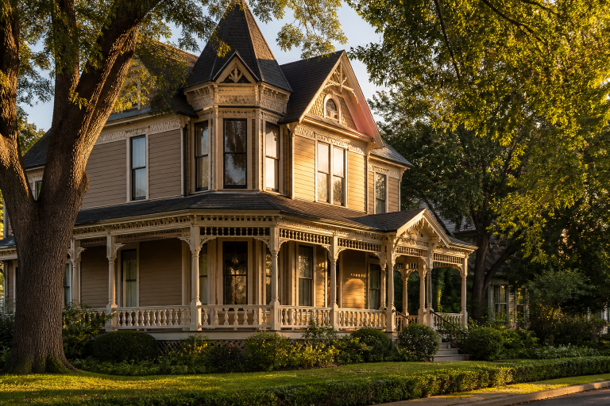
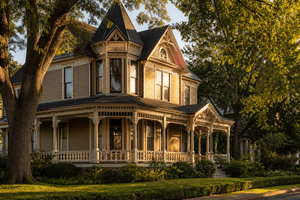
Waxahachie’s historic downtown isn’t a neighborhood amenity — it’s a different kind of housing stock. Queen Anne cottages, Folk Victorians, and Craftsman bungalows built between the 1870s and 1920s sit on streets radiating out from the Ellis County Courthouse, and they don’t sell like the three-year-old builder-grade homes going up on the edges of town.
If you own one of these homes and you’re getting ready to sell, the standard playbook doesn’t quite fit. Here’s what actually moves a historic Waxahachie property.
What Makes Waxahachie’s Historic Homes Different to Sell
The buyer pool is smaller — and more specific. You’re not marketing to everyone who searches “homes for sale in Waxahachie.” You’re marketing to three overlapping groups:
• Preservation-minded buyers who specifically want original millwork, wraparound porches, 12-foot ceilings, and the kind of detail you can’t get in new construction.
• Downtown lifestyle buyers who want to walk to the square’s shops, galleries, and restaurants rather than drive to a strip center.
• Film and location-curious buyers drawn by Waxahachie’s reputation as a working filming backdrop — the town has hosted productions like Places in the Heart and Taylor Sheridan’s Lawmen: Bass Reeves, and that recognition brings a steady stream of buyers who already know the town before they ever tour a house.
None of these buyers respond to the same marketing that sells a five-year-old home in a new subdivision. They respond to story, provenance, and photography that shows the house’s age as a feature, not a flaw.
Pricing runs on a separate curve. Citywide, Waxahachie’s median sale price has been trending in the $375,000–$400,000 range. But that number blends new construction on the outskirts with century-old homes downtown, and it won’t tell you what your house is worth.
Restored Victorians and Craftsman homes in the most desirable blocks near the square and along Oldham Street have recently traded between $300,000 and $550,000, depending on the level of restoration, lot size, and how much original detail survives. A home that’s been sensitively updated — new systems behind original walls — commands a real premium over one that needs work, even if the square footage is identical.
Timing and days on market run a little longer. Historic-home buyers take their time. They tour more than once, bring contractors or restoration specialists through before writing an offer, and want to see the house in good light. Homes across Waxahachie have recently spent somewhere in the 65–75-day range on market, and historic-district properties can run toward the higher end of that simply because the right buyer isn’t always ready the day your listing goes live. That’s a different rhythm than the best month to list a home in a typical subdivision, and it’s worth planning your listing date around it rather than rushing to market.
Disclosure, Taxes, and the Details Buyers Will Ask About
Older homes come with older systems, and Texas law requires you to tell buyers about what you know.
The Texas Seller’s Disclosure Notice is where this lives. You’re required to disclose known issues with the home’s structural components, electrical, plumbing, and roof — including things common to century-old houses like:
• Original or later-replaced knob-and-tube wiring
• Prior foundation repairs or known settlement issues
• Older plumbing materials (galvanized pipe, for example)
• Any known lead paint or asbestos in a home built before the 1970s–80s
Don’t guess at what counts as material. If you’re not sure whether something needs to go on the form, that’s a conversation for your agent, your inspector, or a real estate attorney — not a guess you make on your own. The disclosure form exists to protect both sides of the transaction, and getting it right up front heads off disputes after closing.
Buyers will budget for an inspection that goes deeper than a standard one. Expect buyers of historic homes to bring in specialists — foundation engineers, electricians familiar with older wiring, sometimes a preservation consultant if the home carries a historic designation. Pricing in a little flexibility for negotiated repairs after inspection is normal for this category of home.
Property taxes run higher than the state average. Combined Ellis County and Waxahachie rates typically land in the 2.0%–2.6% range of assessed value, depending on your specific taxing jurisdictions. If your home carries an official historic designation, though, Waxahachie’s heritage preservation program offers a meaningful offset: a 25% discount on the city’s portion of property taxes based on the home’s appraised value. That’s worth mentioning to buyers directly — it’s a real, ongoing cost advantage that generic DFW listings can’t offer.
Historic designation affects what a buyer can and can’t do to the house. Homes within an official overlay — like the Oldham Street Historic Overlay District, Waxahachie’s first residential historic district — go through the city’s Heritage Preservation Commission for exterior alterations, additions, and demolition. That’s a selling point for buyers who want the neighborhood’s character protected, and it’s a fair question for buyers who want the freedom to remodel without review. Either way, it’s information a buyer needs before they write an offer, not after.
Marketing to the Buyers Who Actually Want This House
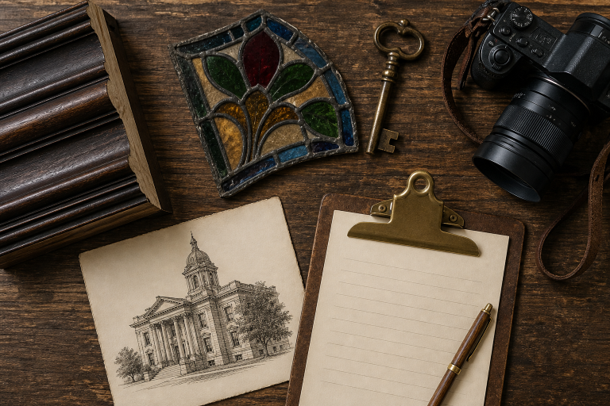
A standard MLS listing with twenty exterior shots and a square-footage-first description undersells a historic home. Here’s what actually reaches the right buyer:
1. Lead with the story, not the stats. When the home was built, who built it, what architectural style it represents, and what’s original versus restored. Buyers of historic homes are often shopping for a narrative as much as a floor plan.
2. Photograph the details, not just the rooms. Original millwork, stained glass, wraparound porches, clawfoot tubs, pocket doors — these are the features that stop a scroll.
3. Use specialty platforms alongside the MLS. Niche historic-home marketplaces like CIRCA Old Houses reach buyers who are specifically searching for character homes, not browsing generic listings. That audience overlaps very little with the buyer pool searching typical DFW portals.
4. Stage for character, not neutrality. Standard staging advice often pushes toward blank, neutral spaces. Historic-home buyers respond better to staging that highlights period-appropriate charm without hiding the home’s age.
5. Connect with local preservation groups. A mention from a historical society or heritage organization adds credibility that a generic listing description can’t match.
Waxahachie isn’t the only DFW town with a downtown worth marketing this way — Mansfield’s historic downtown district has its own character-driven buyer pool, and the marketing principles carry over even though the housing stock and price points differ. What works in both places is the same idea: sell the story alongside the square footage.
Your specific pricing, timeline, and marketing plan depend on your home’s condition, its designation status, and how much original detail survives — that’s exactly the kind of walkthrough worth doing with someone who knows this market before you list.
Frequently Asked Questions
What makes a Waxahachie home “historic” for real estate purposes?
Generally, it means the home was built before roughly 1930 and sits within or near one of Waxahachie’s five National Register historic districts, or carries an official local historic designation. Not every older home in town has formal designation, so it’s worth confirming your home’s status with the city’s Heritage Preservation Commission before you market it as historic.
Do I have to disclose old wiring or foundation repairs when selling a historic Waxahachie home?
Yes. Texas law requires sellers to complete the Texas Seller’s Disclosure Notice and report known material defects, including outdated electrical systems like knob-and-tube wiring and any known foundation repairs or settlement issues. If you’re unsure what qualifies, talk to your agent or a real estate attorney rather than guessing.
Will I get a tax break for owning a historic home in Waxahachie?
If your home carries an official historic designation, Waxahachie’s heritage preservation program offers a 25% discount on the city’s portion of property taxes based on appraised value. That doesn’t reduce your county or school district taxes, so it’s worth confirming the full picture with the appraisal district.
How long does it typically take to sell a historic home in Waxahachie’s downtown district?
Homes across Waxahachie have recently spent roughly 65–75 days on market on average, and historic-district properties can run a bit longer because the right buyer isn’t always shopping the day your listing goes live. Pricing accurately for the historic-home buyer pool, rather than the citywide average, tends to move things faster.
Where should I list a historic Waxahachie home to reach the right buyers?
Your MLS listing still matters, but pairing it with a niche platform like CIRCA Old Houses, strong story-driven photography, and outreach to local preservation groups reaches buyers who are specifically searching for character homes. That combination tends to outperform a standard listing alone for this type of property.
If you’re thinking through this for your own situation, we’re happy to walk you through the numbers. Reach out anytime.
About The Chad Smith Team
The Chad Smith Team at Realty of America is one of the top-producing real estate teams in the Dallas-Fort Worth Metroplex, with more than 22 years of experience, 2,915 homes sold, and recognition by RealTrends among the top 1% of real estate professionals nationwide. The team helps first-time buyers, sellers, relocation clients, and new construction buyers throughout Arlington, Mansfield, Fort Worth, Midlothian, Waxahachie, and surrounding DFW communities. Through this blog, the Chad Smith Team shares expert market insights and practical advice to help North Texas buyers and sellers make informed real estate decisions.