Solar Panels in Mansfield: Value-Add or Buyer Turn-Off?
Do Solar Panels Help or Hurt Your Home Sale in Mansfield?
Owned solar panels typically add value and can help a Mansfield home sell faster, while leased or power-purchase-agreement (PPA) systems usually add little to no appraised value and can slow a sale down. The difference comes down to ownership: buyers and appraisers treat equipment you own very differently than a contract you’re asking someone else to take over. Before you list, know which type of system you have — it changes your marketing, your pricing, and your timeline.
By The Chad Smith Team | August 6, 2026
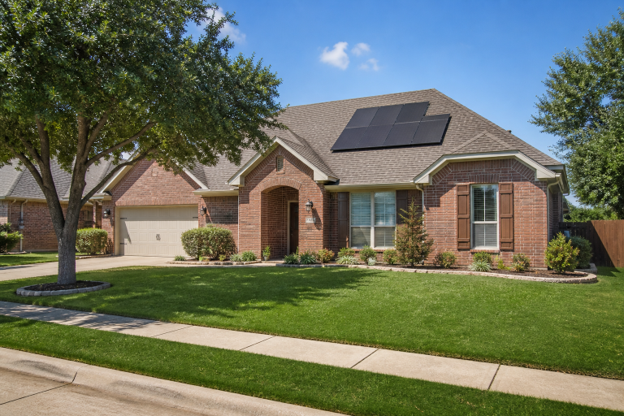
Solar is showing up on more Mansfield rooflines every year, and we’re getting asked about it constantly — both from sellers wondering if their panels will help them net more, and from buyers wondering what they’re actually inheriting when a listing mentions solar. The honest answer is: it depends entirely on how the system is owned.
This is one of those topics where the general “solar increases home value” headlines don’t tell the whole story. Some solar setups genuinely help a Tarrant County sale. Others create enough friction with financing, title work, and buyer hesitation that they slow a closing down or knock money off your offer. Here’s how to tell which situation you’re in.
Owned Solar Adds Value. Leased Solar Often Subtracts It.

The single biggest factor in how solar affects your sale is whether you own the system outright or you’re paying a solar company through a lease or PPA.
If you own the system (paid in cash, financed through a loan that’s now in your name, or fully paid off):
• It’s real property improvement, similar to a roof or HVAC system, and appraisers can factor it into value — though not always dollar-for-dollar with what you paid.
• Buyers see it as an asset they’re getting for free with the purchase, not an obligation they have to take on.
• Homes with owned solar have been shown to sell noticeably faster than comparable homes without it, because lower utility bills are an easy selling point buyers understand immediately.
• Texas also exempts the added value of a solar installation from your property tax appraisal under Tax Code Section 11.27, so the system doesn’t inflate your tax bill even if it does add resale value.
If you’re leasing the system or have a PPA (you pay the solar company monthly for the power the panels produce, but you never own the equipment):
• Appraisers generally give it zero credit toward value, since Fannie Mae’s appraisal guidelines don’t count equipment the seller doesn’t own.
• The buyer has to either qualify to take over your lease payments — which means a credit check and approval from the leasing company — or you have to negotiate a buyout before closing.
• Solar leasing companies typically file a UCC-1 lien against the equipment. Your title company will need to get that lien cleared or subordinated before a lender will fund the buyer’s mortgage. Skip this step and the deal can stall at the closing table.
• Instead of being a selling point, a lease can turn into a negotiating chip buyers use to ask for a lower price or a credit.
If you’re not sure which category your system falls into, pull out your original solar contract or call the installer. This is one of the first things we ask sellers with solar before we even start pricing conversations, because it changes the whole strategy for the listing.
What Mansfield Buyers Actually Push Back On
Even with an owned system, solar isn’t a guaranteed win with every buyer. The objections we hear most often from buyers touring Mansfield homes with solar tend to fall into a few categories:
• Roof age and warranty overlap. If the roof underneath the panels is older or nearing the end of its life, buyers worry about the cost and hassle of removing and reinstalling panels for a future roof replacement. Having your roofing warranty and solar installation dates handy answers this question before it’s asked.
• Appearance. Older, bulkier silver-framed panel systems read as dated to some buyers, while newer low-profile, all-black systems tend to blend into the roofline and draw far fewer comments.
• “What happens if something breaks?” Most solar panels carry 25-year performance warranties, and inverters typically run 10 to 25 years depending on the brand. A system with 20 years of warranty left is a very different conversation than one with five years left — buyers want to know which one they’re getting.
• Unfamiliarity with leases. Even buyers who like the idea of solar often hesitate the moment they hear “you’d need to apply to take over the lease.” It adds a step to their process, and plenty of buyers would rather move on to the next listing than deal with it.
None of these objections are deal-breakers on their own. But they add up, and they’re exactly the kind of thing that shows up in buyer feedback after a showing if you haven’t addressed them up front in your listing documents.
What This Means for Payback Timelines and Pricing in 2026
The financial picture around solar changed for Texas homeowners this year. The federal Residential Clean Energy Credit — the 30% tax credit that made owned solar much more affordable — expired for homeowner-purchased systems at the end of 2025. If you’re weighing a new installation before selling, that credit is no longer part of the math, and it typically adds two to three years to your payback timeline.
Here’s roughly what DFW homeowners are looking at in 2026:
• Installation costs in the Dallas-Fort Worth area generally run $2.50 to $2.90 per watt, putting a typical residential system in the $20,000 to $35,000 range before any incentives.
• Without the federal credit, payback through electricity savings alone generally runs 8 to 14 years, depending on system size, your Oncor rate plan, and how much of your usage the system actually offsets.
• Some utilities and providers still offer buyback or battery incentives worth checking into if you’re considering installing solar rather than selling as-is.
For sellers, the practical question isn’t “will solar add value in general” — it’s “does adding solar right before I list make sense for my specific timeline.” If you’re planning to sell within the next year or two, installing a new owned system rarely pays back fast enough to justify the upfront cost purely as a resale strategy. If you already have an owned system with years of warranty left, that’s a different story — it’s a genuine selling point worth highlighting in your listing.
If you have a leased system and you’re getting ready to sell, your best move is usually to get a payoff quote from your solar company early, before you’re under contract with a buyer. Knowing that number lets you decide whether to pay it off, build it into your pricing strategy, or market the home with the lease clearly disclosed so buyers know what they’re evaluating from day one.
Every situation is different — the age of your roof, the size of your system, how much is left on your lease or loan, and how your specific buyer pool in Mansfield tends to react all factor into the right approach. That’s exactly the kind of analysis we walk sellers through before we ever put a sign in the yard, and it’s just as useful for buyers trying to figure out what they’re really taking on with a solar listing.
If you’re weighing whether your solar setup is a selling point or a hurdle for your specific home, we’re happy to look at your situation and map out the right strategy. Reach out anytime — we’ll walk through the numbers with you before you list or make an offer.
Frequently Asked Questions
Do solar panels increase home value in Mansfield, TX?
Owned solar systems generally do add value and can help a home sell faster, since buyers see lower utility bills as an immediate, tangible benefit. Leased or PPA systems typically add little to no appraised value because the buyer doesn’t actually own the equipment.
Can I sell my Mansfield home if I still have a solar lease?
Yes, but the buyer will need to either qualify to assume your lease payments or you’ll need to negotiate a payoff with the leasing company before closing. Your title company will also need to clear or subordinate any UCC-1 lien the solar company filed against the equipment so the buyer’s mortgage can fund.
Will an appraiser give me credit for my solar panels?
Only if you own the system outright. Appraisers generally can’t credit value for leased or PPA equipment since Fannie Mae guidelines don’t count assets the seller doesn’t own, and even with owned systems, the added value isn’t always a dollar-for-dollar match to your installation cost.
Is it worth installing solar before I sell my house?
Usually not, if you’re planning to sell within a year or two. Without the federal tax credit, which expired for homeowner-purchased systems at the end of 2025, payback typically takes 8 to 14 years in the DFW area — longer than most people own their home after installing.
Does Texas tax the added value from solar panels?
No. Under Texas Tax Code Section 11.27, the added value from a solar or wind energy device is exempt from your property tax appraisal, even though it can still add value when you sell.
About The Chad Smith Team
The Chad Smith Team at Realty of America is one of the top-producing real estate teams in the Dallas-Fort Worth Metroplex, with more than 22 years of experience, 2,915 homes sold, and recognition by RealTrends among the top 1% of real estate professionals nationwide. The team helps first-time buyers, sellers, relocation clients, and new construction buyers throughout Arlington, Mansfield, Fort Worth, Midlothian, Waxahachie, and surrounding DFW communities. Through this blog, the Chad Smith Team shares expert market insights and practical advice to help North Texas buyers and sellers make informed real estate decisions.