Buying Land in Tarrant County: What to Check Before You Buy
What should you check before buying land in Tarrant County, TX?
Before buying land in Tarrant County, verify seven things: legal access to the property, a current boundary survey, available utilities or septic and well feasibility, the FEMA flood-zone designation, any deed restrictions or covenants, the zoning and permitted uses, and the soil’s suitability for building. Raw land is sold with far fewer built-in protections than a house, so the burden of due diligence falls on you. Skipping any one of these can turn a great-looking lot into an expensive problem after closing.
By The Chad Smith Team | September 2, 2026
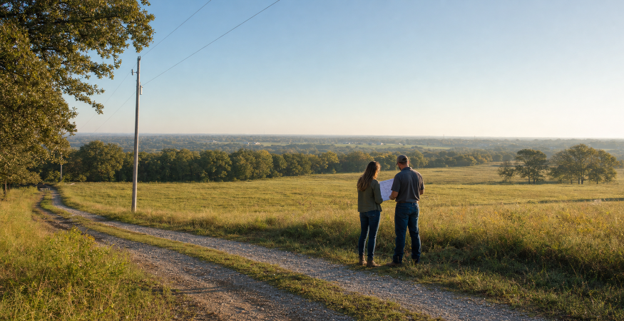
Buying land feels simpler than buying a house — no roof to inspect, no dated kitchen to redo. But land is where buyers most often get surprised, because the things that make a lot buildable and valuable are invisible until you go looking for them.
Whether you’re planning to build a custom home near Mansfield or holding a parcel for the future, here’s the due-diligence checklist to work through before you commit.
1. Legal access
The first question isn’t “how does it look?” — it’s “can I legally get to it?” A parcel that doesn’t border a public road needs a recorded easement across neighboring property, and a verbal “you can just use the driveway” isn’t enough.
Confirm there’s legal, recorded access to the lot. Landlocked property, or property with disputed access, can be nearly impossible to build on or resell.
2. A current boundary survey
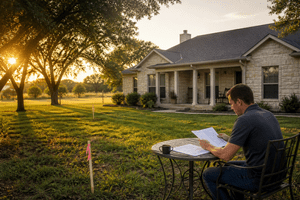
Never trust the fence line. In Texas, land sold “as-is” without a recent survey can hide boundary disputes that don’t surface until you try to fence, build, or sell. A boundary survey confirms the exact property lines and flags encroachments — a neighbor’s shed over the line, a shared driveway, an easement running through the middle of your buildable area.
A survey is one of the smartest early dollars you’ll spend. Our overview of property surveys in Texas walks through what they cover and why lenders and title companies rely on them.
3. Utilities, or septic and well feasibility
This is the cost that blindsides people. On a finished lot in a Mansfield subdivision, water, sewer, and power are typically at the street. On raw or rural land, they may not be — and extending them can cost tens of thousands.
Before you buy, verify:
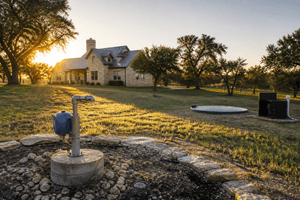
• Water: Is there a municipal or water-district connection, or will you need a well? If a well, what’s the expected depth and yield?
• Sewer or septic: Is public sewer available, or will you need an on-site septic system? A septic system requires soil that will pass a percolation test and health-department approval.
• Power, gas, and internet: How far is the nearest connection, and who pays to bring it in?
Get real numbers, not assumptions. “The utilities are close” is not a plan.
4. FEMA flood zone
Check the property against FEMA’s flood maps at msc.fema.gov. Land in a high-risk zone (labeled A or AE, among others) can trigger mandatory flood insurance and building restrictions that affect where — and whether — you can build. Parts of Tarrant County sit near creeks and drainage areas, so this isn’t a rural-only concern.
5. Deed restrictions and covenants
Pull the deed and read every restriction before you make an offer. Deed restrictions and subdivision covenants can prohibit manufactured homes, set a minimum square footage, ban short-term rentals, restrict livestock, or bar commercial use. These private restrictions can be stricter than any government rule and often override what you assumed you could do.
If the lot is in a subdivision or a development with an HOA, request the governing documents and read them carefully.
6. Zoning and permitted uses
Confirm how the parcel is zoned and what that zoning actually allows. Inside Mansfield city limits, that means checking with Mansfield Planning and Zoning; in unincorporated parts of Tarrant County, county rules and any extraterritorial jurisdiction requirements apply. Make sure your intended use — a single-family home, a workshop, an eventual second structure — is permitted where the land sits.
7. Soil and site conditions
Finally, the ground itself. North Texas is known for expansive clay soil, which expands and contracts with moisture and drives the foundation issues homeowners here know well. A geotechnical or soil test tells you what kind of foundation the site will need — and that engineering can meaningfully change your build budget. If you want to understand why this matters so much here, our piece on foundation issues in Mansfield explains how clay soil behaves. Soil also determines whether a septic system is even viable.
Put it together before you offer

Here’s the short version to keep in front of you:
1. Access — legal, recorded road access or easement
2. Survey — current boundary survey, encroachments checked
3. Utilities/septic — real connection costs or well-and-septic feasibility
4. Flood zone — FEMA designation confirmed
5. Deed restrictions — covenants read in full
6. Zoning — intended use permitted
7. Soil — buildability and foundation needs assessed
Much of this due diligence happens during your option period and through the title commitment your title company provides, which reveals easements, liens, and restrictions of record. The goal is to surface every one of these before your money is committed — not after.
The honest bottom line
Land can be a great buy in and around Tarrant County, but it rewards patience and punishes assumptions. The lot that looks perfect from the road might be landlocked, in a flood zone, restricted against your plans, or sitting on soil that doubles your foundation cost. Every one of those is knowable in advance if you do the work.
If you’re considering a parcel near Mansfield and want a second set of eyes on the due-diligence list — or help lining up the survey, title work, and the right questions for the county — we’re glad to help you check the boxes before you buy. Reach out anytime.
Frequently Asked Questions
Do I need a survey when buying land in Tarrant County?
Yes, a current boundary survey is one of the most important steps. It confirms the exact property lines and reveals encroachments or easements that a fence line won’t show. Buying land “as-is” without a survey is how boundary disputes surface later, when you try to build or resell.
How do I know if land has access to utilities?
Contact the local water district, city, and utility providers before you buy, and get real cost estimates. On finished subdivision lots utilities are usually at the street, but on raw land you may need a well and septic system, which require soil that passes a percolation test and health-department approval.
Can deed restrictions stop me from building what I want on my land?
Yes. Deed restrictions and subdivision covenants are private rules that can prohibit manufactured homes, set minimum square footage, ban rentals, or limit uses — and they can be stricter than county or city zoning. Always read the full deed and any HOA documents before making an offer.
Why does soil matter when buying land near Mansfield?
North Texas has expansive clay soil that expands and contracts with moisture, which affects what kind of foundation a home needs. A soil or geotechnical test tells you the site’s buildability and foundation requirements, and it also determines whether a septic system is feasible.
Is buying land in a flood zone a dealbreaker?
Not automatically, but it changes the math. High-risk flood zones can require mandatory flood insurance and limit where you can build. Check the FEMA flood maps for the parcel before you buy so the cost and restrictions are part of your decision, not a surprise.
About The Chad Smith Team
The Chad Smith Team at Realty of America is one of the top-producing real estate teams in the Dallas-Fort Worth Metroplex, with more than 22 years of experience, 2,915 homes sold, and recognition by RealTrends among the top 1% of real estate professionals nationwide. The team helps first-time buyers, sellers, relocation clients, and new construction buyers throughout Arlington, Mansfield, Fort Worth, Midlothian, Waxahachie, and surrounding DFW communities. Through this blog, the Chad Smith Team shares expert market insights and practical advice to help North Texas buyers and sellers make informed real estate decisions.