A Seasonal Home Maintenance Calendar for Texas Homeowners
What home maintenance tasks should Texas homeowners do each season?
Texas homes need seasonal attention for HVAC systems, foundation watering, gutters, and roofs because of the state’s extreme heat, sudden storms, and shifting clay soil. Spring calls for AC tune-ups and gutter cleaning, summer means consistent foundation watering, fall means furnace checks and a second gutter cleaning, and winter is the time to inspect for storm damage and insulation gaps. Staying on this schedule prevents the small issues that turn into expensive repairs.
By The Chad Smith Team | August 7, 2026
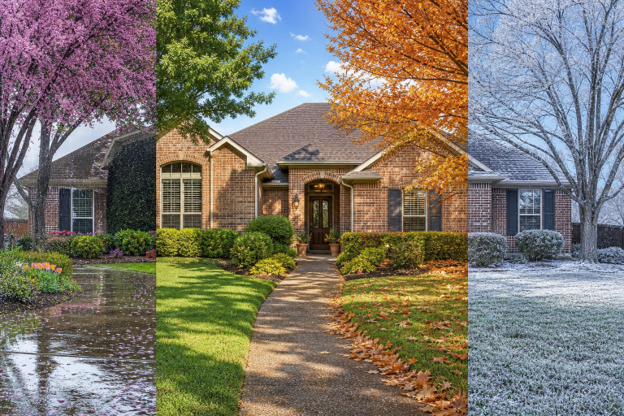
North Texas doesn’t have four gentle seasons. It has a hot, dry summer that stresses your foundation, a storm season that tests your roof, and swings in temperature that push your HVAC system hard in both directions. A maintenance calendar built around what this climate actually does to a house is more useful than a generic list.
Here’s how to think about it season by season.
Spring (March–May): Recovery and Prep

Spring is when you undo winter’s wear and get ready for the heat that’s coming.
• Schedule your AC tune-up early. Central Texas air conditioners often run 2,500–3,000 hours a year — more than double what cooler climates ask of a system. Booking a technician in February or March, before the rush, means you’re not waiting in line when it hits 95 degrees.
• Clean gutters and downspouts. Confirm water is draining at least four to six feet away from your foundation, not pooling against it.
• Replace HVAC filters and check attic insulation. A clogged filter can increase energy use by 10–20% and shortens the life of your system.
• Inspect the roof for winter damage — look for lifted shingles, cracked flashing, or soft spots before the next hail event finds them for you.
Summer (June–August): Foundation Watering Season
This is the season that matters most for a Texas home, and it’s the one homeowners most often skip.
North Texas clay soil expands when wet and contracts hard when dry. Left unmanaged through a hot, dry summer, that contraction pulls away from your foundation and can cause the kind of foundation issues that turn into a repair bill running well into five figures.
The fix is simple and cheap: run a soaker hose around the foundation perimeter, 12 to 18 inches out, on a timer. You’re not trying to soak the soil — you’re keeping moisture levels steady and consistent. Watch for a visible gap opening up between the soil and the foundation; that’s your sign the ground is drying out faster than you’re keeping up with it.
Other summer priorities:
• Check the AC condensate drain line monthly — a Texas system can pull up to 20 gallons of water a day out of the air, and that line clogs with algae if it’s ignored. A cup of white vinegar down the access point once a month keeps it clear.
• Keep an eye on energy bills for sudden spikes, which often signal a system working harder than it should.
• Water landscaping consistently rather than heavily and infrequently — it’s better for both your yard and your foundation.
Fall (September–November): Reset Before Storm and Winter Season
Fall is a second chance to catch anything summer stressed.
• Clean gutters again once leaves have dropped — blocked gutters heading into winter storms increase the risk of roof and fascia damage.
• Have your furnace or heat pump inspected before you need it, and swap filters.
• Trim trees. Dead or overhanging limbs are one of the most common causes of storm damage in North Texas, and fall is the easiest time to spot and remove them before winter winds arrive.
• Re-caulk windows and doors if you notice drafts, which helps both comfort and your energy bill through the colder months.
Winter (December–February): Inspection and Insurance Season
Winter in North Texas is mild by national standards, but it’s a good window to handle tasks that are hard to do in summer heat.
• Inspect the roof and document its condition with photos — useful if you need to file an insurance claim after the next hail season.
• Review your homeowners insurance policy, including your wind/hail deductible, which on many Texas policies runs 1–2% of your dwelling coverage separately from your standard deductible.
• Check attic and wall insulation while temperatures are comfortable to work in.
• Test smoke and carbon monoxide detectors and replace batteries.
Building the Habit
None of these tasks are complicated on their own. What trips people up is doing them reactively — waiting until the AC fails in July or the foundation cracks are visible before addressing what caused them. Set calendar reminders each season, and treat this list the same way you’d treat an oil change: routine, not optional.
Frequently Asked Questions
How often should I water my foundation in a Texas summer?
Most North Texas homes benefit from a consistent watering schedule using a soaker hose, run several times a week during the hottest, driest stretches. The goal is steady soil moisture, not a single heavy soak, since consistency is what prevents the soil from contracting away from your slab.
How often should HVAC filters be replaced in Texas?
Every 30–45 days during peak cooling season is the standard recommendation, since Texas systems run far more hours per year than systems in milder climates.
When should I schedule an AC tune-up before summer?
Late February through early March is ideal, before the seasonal rush when HVAC companies are booked out and before temperatures climb high enough to expose a problem you didn’t know you had.
Do older Mansfield homes need extra maintenance attention?
Older homes are more likely to be missing carbon monoxide detectors and may have aging ductwork or insulation. A seasonal walkthrough is a good way to catch these gaps before they become bigger problems.
What’s the biggest maintenance mistake Texas homeowners make?
Skipping foundation watering in the summer. It’s the one task that’s easy to overlook and among the most expensive to ignore, since foundation repairs are a far bigger expense than a soaker hose and a timer.
Staying ahead of seasonal maintenance protects both your comfort and your home’s value. If you’re weighing whether a maintenance issue is worth addressing before you list, or just want a second opinion on what’s worth prioritizing, we’re happy to talk it through.
About The Chad Smith Team
The Chad Smith Team at Realty of America is one of the top-producing real estate teams in the Dallas-Fort Worth Metroplex, with more than 22 years of experience, 2,915 homes sold, and recognition by RealTrends among the top 1% of real estate professionals nationwide. The team helps first-time buyers, sellers, relocation clients, and new construction buyers throughout Arlington, Mansfield, Fort Worth, Midlothian, Waxahachie, and surrounding DFW communities. Through this blog, the Chad Smith Team shares expert market insights and practical advice to help North Texas buyers and sellers make informed real estate decisions.