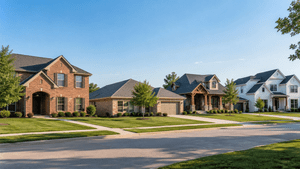
A Buyer’s Guide to Fort Worth by Home Style and Price
How do Fort Worth home styles and prices compare across the city?
Fort Worth offers everything from mid-century ranch and bungalow homes in the $200,000s to Colonial Revival and Spanish-style residences above $1 million, plus new-construction communities in the $300,000s to $500,000s. With a typical home value near $308,000 and a citywide median sale price around $337,000 in 2026, Fort Worth spans a wide range — so the smartest way to shop is by home style and price band, not by the city as a whole.
By The Chad Smith Team | September 11, 2026

Fort Worth is big — geographically and in the range of homes you can buy here. That’s a strength and a trap. If you shop “Fort Worth” as one market, you’ll drown in listings that have almost nothing in common. The better approach is to decide what style and price band fit you first, then aim at the parts of the city that deliver it.
Here’s how Fort Worth breaks down for buyers in 2026.
Where the market stands
Before the neighborhoods, the citywide numbers give you a frame:
• Typical home value: around $308,000, according to Zillow
• Median sale price: roughly $337,000 in 2026
• Days on market: about 56 days
• Inventory: a moderate 3.4-month supply
• Sale-to-list ratio: homes closing near 98 percent of asking
That combination — moderate inventory and homes selling just under asking — describes a market that has cooled from its peak frenzy into something more workable for buyers. You generally have time to think, and modest room to negotiate, without the market being soft. Fort Worth’s median also runs well below the national figure, which is part of why it keeps drawing buyers from higher-cost metros.
Everything below sits inside Tarrant County, so exemptions and tax rates apply through county and local entities — verify the specific taxing setup for any address before you rely on a payment estimate.
Shopping by style and price

Rather than ranking neighborhoods, think in terms of what you want the house to be. Here are the main lanes Fort Worth offers.
Historic character homes in the $200,000s–$400,000s
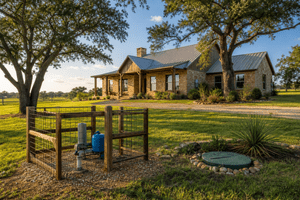
If you want architecture with age and personality, look to the city’s older, close-in areas. The Northside is a good example — a dense mix of ranch-style and bungalow homes from the mid-1900s, generally in the $200,000 to $400,000 range.
These homes give you mature trees, established streets, and proximity to the urban core. The trade-off is the usual older-home reality: budget for inspection findings on foundation, roof, and systems. If you’re weighing a character home against something newer, our comparison of new construction versus resale in North Texas is worth reading first.
Mid-century ranch and modern in the $300,000s–$400,000s
Areas like Wedgwood are known for Mid-Century Modern and ranch-style homes — single-story layouts, generous lots, and the clean lines that era is known for. This lane suits buyers who want more square footage and yard than a downtown bungalow, at a mainstream price.
Arlington Heights offers a walkable, park-adjacent feel with median prices reported around the high $270,000s — a draw for buyers who prioritize being able to walk to amenities.
New construction in the $300,000s–$500,000s
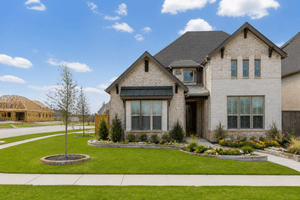
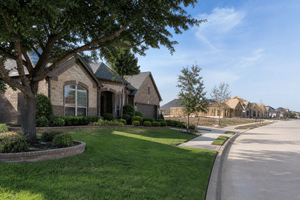
Buyers who want move-in-ready condition and current finishes gravitate to Fort Worth’s newer master-planned communities. Developments like Harvest Ridge commonly run $300,000 to $500,000, typically with HOA dues attached.
New construction trades character for predictability: fewer surprises, modern layouts, and builder warranties, in exchange for HOA fees and a more uniform look. It’s the most popular lane for many of today’s buyers for exactly that reason.
Upscale and architectural homes, $500,000 and up
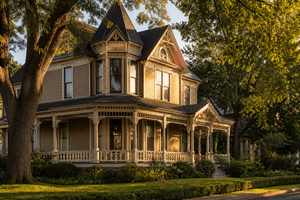
For buyers at the top of the range, established neighborhoods like Monticello and Ridglea feature Colonial Revival, Spanish-style, and contemporary homes on large, tree-covered lots — with prices running from around $500,000 well past $1 million. These are the city’s showcase streets, prized for lot size, architecture, and location.
Match the lane to your priorities
A quick way to narrow Fort Worth:
• Want character and walkability, mid-budget? Historic close-in neighborhoods and Arlington Heights.
• Want space and a yard, mainstream budget? Mid-century ranch areas like Wedgwood.
• Want move-in-ready and modern? New-construction communities on the growing edges.
• Top of the market, architecture-driven? Monticello, Ridglea, and similar established areas.
Your budget does more than set a ceiling — it points you toward entirely different parts of the city. And because Fort Worth’s median sits in the $330,000s, most buyers are choosing between the historic, mid-century, and new-construction lanes.
What to line up before you shop
1. Get pre-approved first. Knowing your true price band is what turns “Fort Worth” from an overwhelming search into a focused one.
2. Decide your maintenance tolerance. Older character homes and new builds are very different ownership experiences — and very different inspection conversations.
3. Budget the full cost of ownership. Taxes, insurance, and any HOA dues (common in new communities) all shape the real monthly number.
4. Confirm Tarrant County taxing entities for any specific address before you commit to a payment.
5. Compare commutes if your job is elsewhere in the Metroplex — location within Fort Worth changes drive times significantly.
Fort Worth genuinely has something for almost every buyer. The key is aiming — and that’s where knowing the styles, the price bands, and the trade-offs pays off. It’s exactly the kind of narrowing we do with clients before we ever set a tour schedule.
Frequently Asked Questions
What is the median home price in Fort Worth, TX?
In 2026, Fort Worth’s typical home value is around $308,000, with a median sale price near $337,000. That’s below the national median, though prices vary widely by neighborhood and home style.
Is Fort Worth a buyer’s or seller’s market in 2026?
Fort Worth has cooled into a more balanced market, with about a 3.4-month supply, homes selling in roughly 56 days, and closing prices near 98 percent of asking. Buyers generally have time to think and modest room to negotiate.
What home styles can you find in Fort Worth?
Fort Worth spans ranch and bungalow homes from the mid-1900s, Mid-Century Modern houses, Colonial Revival and Spanish-style residences, and modern new construction. Style and price are closely linked, so budget often determines which part of the city fits.
What’s the price range for new construction in Fort Worth?
New-construction communities in Fort Worth commonly run from the $300,000s to $500,000s, usually with HOA dues. They appeal to buyers who want move-in-ready condition and modern finishes.
What county is Fort Worth in?
Fort Worth is primarily in Tarrant County. Property tax rates and exemptions depend on the specific address and its taxing entities, so confirm those before relying on a payment estimate.
Ready to shop Fort Worth the smart way?
Fort Worth rewards buyers who know their lane. Once you’ve matched a home style and price band to your budget, a sprawling city becomes a focused, manageable search.
If you’d like help pinpointing which parts of Fort Worth fit what you’re after — and running the real numbers on a payment — we’re happy to walk you through it. Reach out anytime.
About The Chad Smith Team
The Chad Smith Team at Realty of America is one of the top-producing real estate teams in the Dallas-Fort Worth Metroplex, with more than 22 years of experience, 2,915 homes sold, and recognition by RealTrends among the top 1% of real estate professionals nationwide. The team helps first-time buyers, sellers, relocation clients, and new construction buyers throughout Arlington, Mansfield, Fort Worth, Midlothian, Waxahachie, and surrounding DFW communities. Through this blog, the Chad Smith Team shares expert market insights and practical advice to help North Texas buyers and sellers make informed real estate decisions.