Buying a Historic Victorian Home in Waxahachie: What to Know
What should you know before buying a Victorian home in Waxahachie, TX?
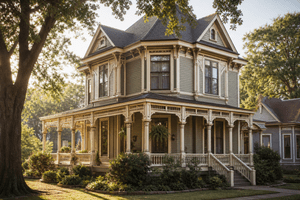
Waxahachie — the “Gingerbread City” of Ellis County — is famous for its Queen Anne, Gothic Revival, and Victorian homes, many in the National Register-listed West End and Oldham Avenue historic districts. Before buying one, understand that historic-district homes carry renovation review rules, need specialized inspections for age-related systems, and often cost more to restore than to buy. Here’s what to know going in.
By The Chad Smith Team | September 17, 2026
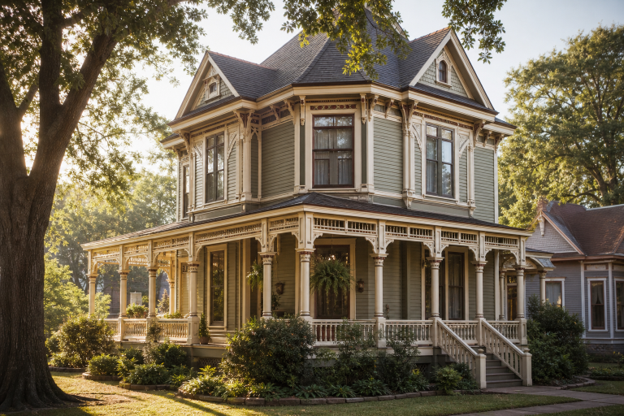
Waxahachie has one of the most remarkable collections of Victorian architecture in Texas. Locals call it the “Gingerbread City” for the ornate wood trim on its Queen Anne and Gothic Revival homes, and the annual Gingerbread Trail tour draws visitors from across the state to see them.
Buying one of these homes is a genuine pleasure — and a different kind of purchase than a modern build. If a historic Waxahachie home is calling to you, here’s what to understand before you fall in love with the front porch.
Know what “historic district” means for your plans
Many of Waxahachie’s most striking homes sit in designated historic districts, including the West End and Oldham Avenue Historic Districts, which are listed on the National Register of Historic Places. That designation protects the neighborhood’s architectural character — which is part of the appeal — but it also comes with rules.
In a local historic district, exterior changes often require review and approval before you can proceed. That can include:
• Changes to windows, siding, roofing, and trim visible from the street
• Additions, porches, and fencing
• Sometimes paint colors and other exterior details
The practical takeaway: if you plan to modify the exterior, confirm the district rules and the approval process before you buy. Ask whether the home is in a locally regulated district (with a review board and a certificate-of-appropriateness process) or only listed on the National Register, which carries fewer day-to-day restrictions. The two are different, and it changes what you can do with the home.
Budget for restoration, not just purchase
Here’s the honest math on historic homes: the purchase price is often only part of the investment. A Victorian that looks charming may need significant work to bring systems and finishes up to date — and that ornate detailing is expensive to restore correctly.
As one illustration that gets cited often, a home bought around $350,000 might need $80,000 or more in updates. Your number will vary, but the principle holds: calculate purchase price plus realistic renovation cost so you’re not caught off guard after closing.
Two things make historic restoration pricier than a standard remodel:
• Specialized materials. Original woodwork, trim, and windows are hard and costly to replicate.
• Skilled labor. Craftspeople who can do historic restoration correctly are in limited supply, so their work commands a premium and often a wait.
None of this means don’t buy — it means buy with your eyes open and the right budget.
Get the right inspections
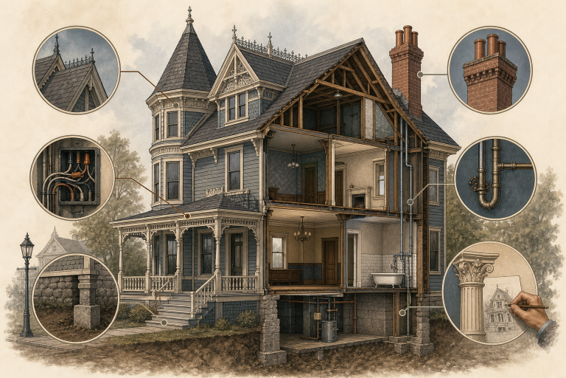
Older homes deserve more inspection scrutiny, not less. On a Waxahachie Victorian, go beyond the standard general inspection and consider specialists for the systems that age matters most on:
1. Foundation. Many older North Texas homes have foundation history worth a close look. Our overview of foundation issues in North Texas homes explains what to watch for.
2. Electrical. Century-old homes may have outdated wiring that’s been partially updated over the decades. Confirm what’s original and what’s been brought up to code.
3. Plumbing. Original supply and drain lines may need replacement or already have been. Get the history.
4. Roof and structure. Complex Victorian rooflines are beautiful and can be expensive to maintain and repair.
5. Chimney and fireplaces. Common in these homes and worth a dedicated inspection.
Texas sellers provide a Texas Seller’s Disclosure Notice documenting known material defects, and it’s an important read on any older home — but it’s not a substitute for your own thorough inspections.
Plan for insurance and financing differences
A historic home can carry different insurance and financing considerations than a new build:
• Insurance. Older systems, specialized materials, and higher rebuild costs can affect your homeowners premium. Get a quote early in your search so there are no surprises. Our guide to what shapes homeowners insurance costs in North Texas covers the factors involved.
• Financing. If the home needs work, a standard purchase loan may not cover renovations. Renovation loan products that fold repair costs into the mortgage can be a fit — worth discussing with your lender before you write an offer.
A note on how these homes sell
Distinctive historic homes sometimes trade quietly. The best examples can sell quickly to buyers who’ve been watching for them, and some change hands through networks before they ever hit the open market. Because Texas is a non-disclosure state, exact sold prices aren’t public — an agent who knows the Waxahachie historic market can share the real MLS data and give you a heads-up when the right home comes available.
The bottom line
A historic Victorian in Waxahachie offers something a new build simply can’t — craftsmanship, character, and a place in one of Texas’s most celebrated historic towns. The keys to buying one happily are understanding the district rules, budgeting for restoration on top of purchase, and getting the specialized inspections these homes deserve.
Go in prepared, and the reward is a home with real soul. That’s exactly the kind of purchase we love helping buyers navigate.
Frequently Asked Questions
Are there rules about renovating historic homes in Waxahachie?
Yes, if the home is in a locally regulated historic district. Exterior changes — windows, siding, roofing, additions, and sometimes paint colors — often require review and approval first. Confirm whether a specific home is in a locally regulated district or only listed on the National Register, since that changes what you can do without approval.
How much does it cost to restore a Victorian home in Waxahachie?
It varies widely, but restoration often adds significantly to the purchase price — a home bought around $350,000 could need $80,000 or more in updates. Specialized materials and the limited supply of skilled historic-restoration craftspeople make this work more expensive than a standard remodel.
What inspections do I need on a historic Waxahachie home?
Beyond a general inspection, consider specialists for the foundation, electrical, plumbing, roof and structure, and chimney. These are the systems where a home’s age matters most, and older homes often have a mix of original and updated components worth verifying.
What county is Waxahachie in?
Waxahachie is in Ellis County. Property taxes follow Ellis County rates and appraisals from the Ellis Appraisal District, with the exact rate depending on the taxing jurisdictions the home falls within.
Can I get a loan to buy and renovate a historic home?
Often, yes. A standard purchase loan usually won’t cover renovations, but renovation loan products can fold repair costs into the mortgage. Talk with your lender early about your options, especially if the home needs significant work.
Drawn to a Waxahachie Victorian?
Historic homes are a joy to own when you go in prepared. If you’d like help understanding a specific home’s district rules, restoration budget, and what it would really take to make it yours, we’re happy to walk you through it. Reach out anytime.
About The Chad Smith Team
The Chad Smith Team at Realty of America is one of the top-producing real estate teams in the Dallas-Fort Worth Metroplex, with more than 22 years of experience, 2,915 homes sold, and recognition by RealTrends among the top 1% of real estate professionals nationwide. The team helps first-time buyers, sellers, relocation clients, and new construction buyers throughout Arlington, Mansfield, Fort Worth, Midlothian, Waxahachie, and surrounding DFW communities. Through this blog, the Chad Smith Team shares expert market insights and practical advice to help North Texas buyers and sellers make informed real estate decisions.