Why Buyers Are Moving to Midlothian: A Growth Overview
Why are so many buyers moving to Midlothian, TX?
Midlothian has grown from about 35,000 residents in 2020 to nearly 49,000 in 2026 — a jump of more than 37% in six years — driven by its Ellis County location roughly 30 minutes south of Dallas, a strong industrial employment base, expanding retail, and home prices that remain more attainable than many closer-in suburbs. Here’s a plain-English overview of what’s fueling the growth and what it means for buyers.
By The Chad Smith Team | September 16, 2026
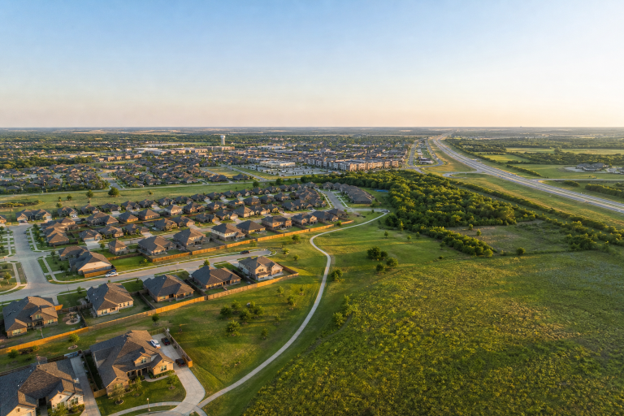
If you’ve been house-hunting in the southern Metroplex, you’ve probably noticed Midlothian coming up more and more. There’s a reason. This Ellis County city has been one of North Texas’s fastest-growing communities, and the momentum has been building for years.
Here’s an overview of what’s actually driving people to Midlothian — and what to understand about the market before you start your search.
The growth is real, and it’s fast
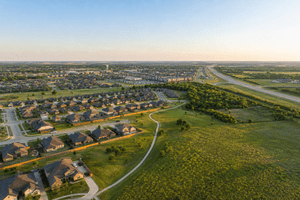
Midlothian’s population sat around 35,469 in the 2020 census. By 2026 it’s approaching 48,834 — an increase of more than 37% in six years, with the city growing at roughly 4.6% annually. Step back further and the city has nearly doubled since 2010.
That kind of sustained growth reshapes a community. It brings new rooftops, new roads, new retail, and steady demand for housing — which is exactly why buyers and builders have both been paying attention.
Location is the biggest draw
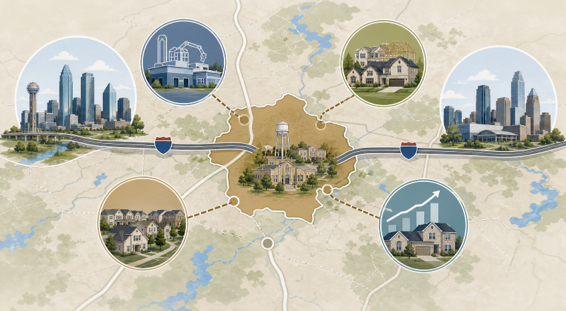
Midlothian’s appeal starts with geography. The city sits along the US-287 and US-67 corridors in northern Ellis County, which puts it within reach of the entire Metroplex:
• Roughly 30 minutes to downtown Dallas
• Roughly 40 minutes to downtown Fort Worth
• Quick access to the southern job centers, Cedar Hill, and neighboring Waxahachie
For buyers who work in or around Dallas but want more home and land for their money, that commute math works. If you’re weighing a longer drive against a bigger house, our breakdown of commute times across the DFW Metroplex is a useful reference for setting expectations.
A genuine employment base, not just a bedroom suburb
One thing that sets Midlothian apart from a pure commuter town is its own industrial economy. The city is a long-standing center of Texas cement and steel production, with major manufacturing operations that anchor local employment. That industrial base has been joined in recent years by distribution, logistics, and a growing commercial sector.
The practical takeaway for buyers: Midlothian isn’t entirely dependent on Dallas jobs. A local employment base tends to support housing demand and community services over the long run, which matters when you’re making a decision you’ll live with for years.
New development is keeping pace with demand
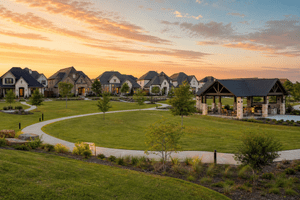
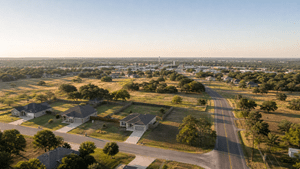
Growth this fast pulls in new construction, retail, and infrastructure. Midlothian has seen ongoing residential development across a mix of price points, plus expanding retail and medical services as the rooftop count climbs. New commercial projects and road improvements continue to follow the population.
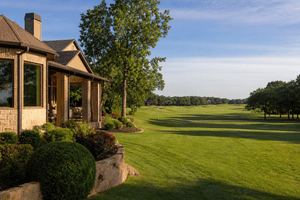
For buyers, that means you’ll find a real mix of options here: newer master-planned sections with builder inventory, established neighborhoods with more mature lots and trees, and acreage properties on the city’s edges. If you’re torn between a brand-new build and an existing home, our guide to new construction versus resale in North Texas lays out the trade-offs.
Relative affordability keeps buyers coming
Part of what keeps drawing buyers to Midlothian and the rest of Ellis County is value. While prices here have risen along with the growth, the area has generally stayed more attainable than many suburbs closer to the Dallas core. For a lot of buyers — especially those moving up in size or relocating from a pricier market — Midlothian offers more square footage and more lot for the budget.
That said, “more affordable” doesn’t mean cheap, and the exact numbers move with the market. Because Texas is a non-disclosure state, the real sold prices aren’t public record — a local agent can pull current MLS data to show you what homes in your target range are actually trading for.
If you’re a first-time buyer, it’s also worth checking whether you qualify for down payment assistance. We cover the options in our overview of the best first-time home buyer programs in Dallas-Fort Worth.
What to keep in mind before you buy in Midlothian
A fast-growing market has its own rhythms. A few things to plan for:
• Ellis County taxes — Midlothian sits in Ellis County, so your property taxes follow Ellis County rates and appraisals from the Ellis Appraisal District. Rates vary by the exact taxing jurisdictions your home falls in, so confirm the number on any home you’re serious about.
• New-build timelines — If you go the new construction route, build timelines and incentives shift with the market. Get current terms in writing.
• Infrastructure in progress — In a growing city, some roads, retail, and services are still catching up to the rooftops. Drive your commute and check what’s planned near a neighborhood before you commit.
• A range of settings — From newer subdivisions to acreage on the outskirts, Midlothian offers different lifestyles at different price points. Get clear on which one fits you.
The bottom line
Midlothian’s growth comes down to a straightforward combination: a workable location south of Dallas, a real local employment base, steady new development, and prices that still stretch further than many closer-in options. That’s a durable mix, and it’s why the city keeps landing on buyers’ shortlists.
If you’re weighing Midlothian against other DFW communities, the smartest first step is understanding what your budget actually buys here versus the alternatives. That’s a conversation we’re always glad to have.
Frequently Asked Questions
How fast is Midlothian, TX growing?
Very fast. The population rose from about 35,469 in 2020 to nearly 48,834 in 2026 — more than 37% growth in six years, or roughly 4.6% annually. The city has nearly doubled in size since 2010.
How far is Midlothian from Dallas and Fort Worth?
Midlothian is roughly 30 minutes from downtown Dallas and about 40 minutes from downtown Fort Worth via the US-287 and US-67 corridors, which is a big part of its appeal to commuters who want more home for their budget.
What county is Midlothian in?
Midlothian is in Ellis County. Your property taxes follow Ellis County rates and appraisals from the Ellis Appraisal District, with the exact rate depending on the taxing jurisdictions your home falls within.
Is Midlothian just a bedroom community for Dallas?
Not entirely. Midlothian has a substantial industrial economy — it’s a long-standing center of Texas cement and steel production — plus growing logistics, retail, and medical sectors. That local employment base makes it more than a pure commuter suburb.
Is Midlothian more affordable than other Dallas suburbs?
Generally, yes. While prices have risen with the growth, Midlothian and the rest of Ellis County have stayed more attainable than many suburbs closer to the Dallas core, offering more square footage and lot for the budget. Exact prices move with the market, so check current MLS data with a local agent.
Considering a move to Midlothian?
Midlothian’s growth story is compelling, but the right move always comes down to your budget, your commute, and what you want out of a home. If you’d like a clear picture of what Midlothian offers versus other DFW communities, we’re happy to walk you through it. Reach out anytime.
About The Chad Smith Team
The Chad Smith Team at Realty of America is one of the top-producing real estate teams in the Dallas-Fort Worth Metroplex, with more than 22 years of experience, 2,915 homes sold, and recognition by RealTrends among the top 1% of real estate professionals nationwide. The team helps first-time buyers, sellers, relocation clients, and new construction buyers throughout Arlington, Mansfield, Fort Worth, Midlothian, Waxahachie, and surrounding DFW communities. Through this blog, the Chad Smith Team shares expert market insights and practical advice to help North Texas buyers and sellers make informed real estate decisions.