Understanding Established Neighborhoods in Hurst and Euless
What do established neighborhoods in Hurst and Euless actually look like?
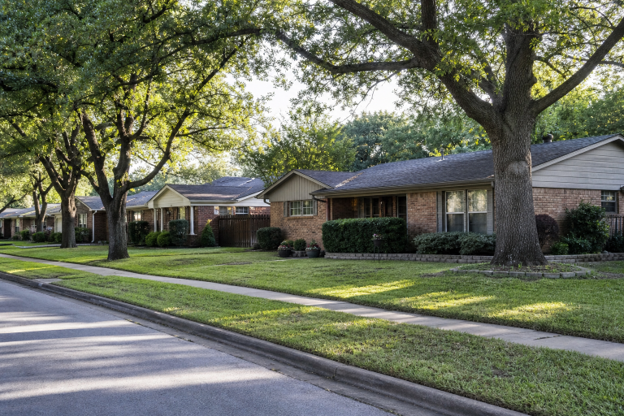
Established neighborhoods in Hurst and Euless are mostly mid-century ranch homes and traditional brick single-family houses built from the 1960s through the 1980s, set on mature, tree-lined streets in the northeast Tarrant County “Mid-Cities” area between Fort Worth and Dallas. Many have been updated with modern kitchens and open floor plans, and the appeal is a fully built-out, stable community with convenience infrastructure already in place — not new construction, but a proven neighborhood with decades of history.
By The Chad Smith Team | November 3, 2026
Hurst and Euless don’t get the new-construction headlines that far north Fort Worth or the outer suburbs do, and that’s precisely the point for a certain kind of buyer. These are landlocked, fully matured cities, and the housing stock reflects it.
The Housing Stock: What You’ll Actually Find
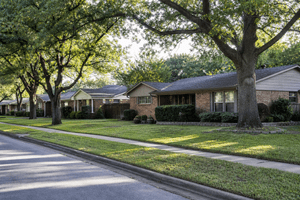
Hurst leans heavily toward mid-century ranch homes and traditional brick single-family dwellings, primarily built from the 1960s through the 1980s. Many have been renovated over the decades — updated kitchens, open floor plans, refreshed exteriors — while retaining their original brick-and-ranch bones.
Euless follows a similar pattern, with established subdivisions built out over roughly the same era, alongside pockets of newer infill development where older properties have been redeveloped. Across both cities, you’ll typically see:
• Mid-century ranch-style homes — single-story, brick exteriors, larger lots than you’d find in newer developments, often shaded by decades-old oak trees
• Traditional two-story homes from the 1970s and 1980s — a step up in square footage from the ranch-style stock, common in family-oriented subdivisions
• Renovated and updated properties — homes where owners have modernized kitchens, bathrooms, and systems while keeping the original structure
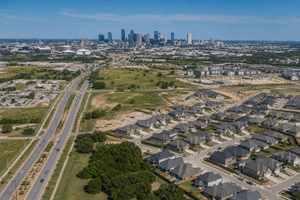
• Scattered newer infill construction — a smaller share of newer homes built on lots where older properties were replaced
Why Buyers Choose an Established Mid-Cities Neighborhood
The appeal here isn’t the newest layout or the latest finishes — it’s what comes with a fully built-out community.
• Mature landscaping. Decades-old trees and established lawns that no amount of money can buy in a brand-new subdivision.
• Proven infrastructure. Schools, parks, grocery stores, and community centers are already in place — no waiting years for retail and services to catch up to new rooftops.
• Central location. Hurst and Euless sit between Fort Worth and Dallas, near DFW Airport, giving residents a shorter commute to either downtown compared to many outer suburbs.
• Larger, more varied lots. Established neighborhoods often have more irregular, larger lots than the uniform grid layouts common in newer master-planned communities.
• Lower relative price per square foot in some pockets. Compared to new construction in growth corridors farther out, an updated mid-century home here can offer more square footage for the money, though this varies significantly by condition and location.
What to Watch For When Buying an Older Mid-Cities Home
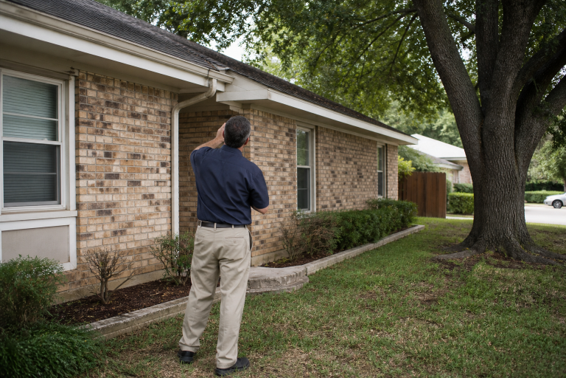
Buying a home from the 1960s through 1980s requires a different inspection mindset than new construction.
1. Check the age of major systems. HVAC, water heater, and roof age matter a lot in homes this old — ask for replacement dates and get a full inspection before you assume anything is original or recently updated.
2. Ask about foundation history. North Texas clay soil affects homes of every age, but older homes have had more decades of exposure — request any foundation repair records or warranties.
3. Confirm electrical and plumbing were updated to modern code. Some mid-century homes still have original wiring or plumbing that hasn’t been touched since construction.
4. Look at the renovation history, not just the listing photos. A kitchen that looks modern in photos may have had only cosmetic updates — ask what was actually replaced versus refaced.
How Hurst and Euless Compare to Each Other
Both cities share the Mid-Cities identity, but they’re not identical. Hurst tends to be slightly more residential and landlocked, with a strong concentration of mid-century ranch homes. Euless has a bit more variety in home age and style, with some newer infill development mixed among the older subdivisions, plus proximity to DFW Airport that shapes both convenience and noise considerations in certain pockets.
If you’re deciding between the two — or between Hurst-Euless and a newer suburb farther from the urban core — the right call depends on how much you value mature landscaping and shorter commute times versus a brand-new layout and builder warranty. This is exactly the kind of trade-off worth walking through property by property rather than assuming one city or one era of construction fits every buyer.
Frequently Asked Questions
What era were most homes in Hurst and Euless built?
The majority of homes in both cities were built from the 1960s through the 1980s, giving the area a fully established, mature neighborhood character rather than new-construction inventory.
Are Hurst and Euless good options for buyers who commute to Fort Worth or Dallas?
Yes, both cities sit centrally between Fort Worth and Dallas in the Mid-Cities area, which typically means a shorter commute to either downtown compared to many outer DFW suburbs, plus proximity to DFW Airport.
Do older homes in Hurst and Euless need major renovation?
Not necessarily — many have been updated over the decades with modern kitchens, bathrooms, and systems, but condition varies significantly by property. A full inspection is the only way to know what’s original versus updated on any specific home.
Is new construction available in Hurst or Euless, or is it all older homes?
Both cities are largely built out, so new construction is limited to scattered infill development on lots where older homes were redeveloped, rather than large new subdivisions. Most available inventory is established housing from prior decades.
If you’re weighing an established Hurst or Euless neighborhood against new construction farther out, we can walk you through what each option really means for your commute and budget. Reach out anytime.
About The Chad Smith Team
The Chad Smith Team at Realty of America is one of the top-producing real estate teams in the Dallas-Fort Worth Metroplex, with more than 22 years of experience, 2,915 homes sold, and recognition by RealTrends among the top 1% of real estate professionals nationwide. The team helps first-time buyers, sellers, relocation clients, and new construction buyers throughout Arlington, Mansfield, Fort Worth, Midlothian, Waxahachie, and surrounding DFW communities. Through this blog, the Chad Smith Team shares expert market insights and practical advice to help North Texas buyers and sellers make informed real estate decisions.