Understanding Fort Worth’s Growth Corridors for Buyers
What are Fort Worth’s growth corridors, and why should buyers care?
Fort Worth’s growth is concentrated in a handful of corridors, primarily far north Fort Worth around AllianceTexas, the northwest corridor toward Haslet and Eagle Mountain Lake, and the west corridor toward Aledo and Willow Park, often called the Westoplex. These are the areas seeing the most new construction, infrastructure investment, and long-term appreciation potential, which makes understanding them useful whether you’re buying new construction or resale nearby.
By The Chad Smith Team | November 2, 2026
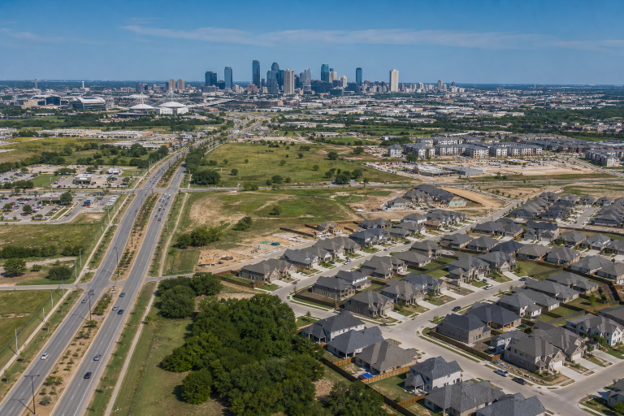
Fort Worth isn’t growing evenly. Some parts of the city and its surrounding suburbs are adding thousands of new homes a year; others are staying largely built out. If you’re buying in or around Fort Worth, knowing which corridor you’re looking at changes what you should expect from pricing, commute, and long-term value.
The Three Corridors Doing the Heavy Lifting
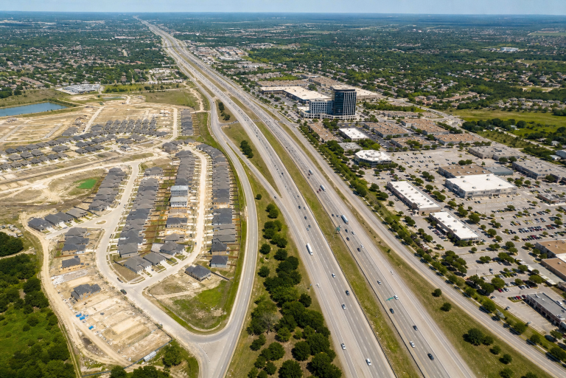
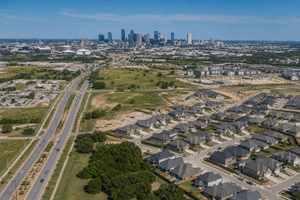
Far North Fort Worth (AllianceTexas and the 76177 area). This has been the fastest-growing new construction submarket in the region for years, driven by the AllianceTexas development and its logistics and corporate employment base. Far north Fort Worth alone has thousands of homes planned along corridors like Bonds Ranch Road, and the area continues to draw builders because there’s still available land close to major employment.
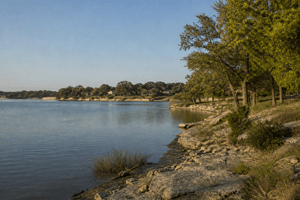
The Northwest Corridor (Haslet, Eagle Mountain Lake, Argyle/Northlake along I-35W). This stretch benefits from proximity to both Fort Worth and the DFW Airport area, plus lake access around Eagle Mountain Lake for buyers who want water nearby without leaving the urban core behind.
The West Corridor, or “Westoplex” (Aledo, Willow Park, and into Parker County). This has become the region’s release valve for buyers priced out of Collin County and other high-cost pockets closer to Dallas. Master-planned communities like Walsh Ranch, west of downtown Fort Worth near Aledo, are anchoring this growth with production homes and custom estate lots, plus amenities and a planned university campus.
What “Growth Corridor” Actually Means for Your Purchase
A growth corridor isn’t just a marketing term — it has practical implications for what you’re buying.
• New infrastructure is still catching up. Roads, schools, and retail often lag the pace of home construction in fast-growing corridors, which can mean longer drives to grocery stores or more construction traffic during your first few years in a new neighborhood.
• Builder incentives tend to be stronger here. With rising spec inventory in these areas, builders are currently offering more aggressive incentive packages than at any point in the past several years — rate buydowns, closing cost credits, and design center upgrades.
• Appreciation potential is different from established neighborhoods. Growth corridors can see strong appreciation as infrastructure and amenities fill in, but they can also see more competition from continued new construction that keeps resale prices in check longer than in built-out areas.
• Property tax rates and MUD/PID fees vary. Newer developments in these corridors often carry Municipal Utility District or Public Improvement District assessments on top of standard property taxes — always confirm the all-in tax rate before comparing a new-construction listing to resale.
New Construction vs. Resale in These Corridors
DFW inventory has been rising, with homes averaging around 80 days on market in early 2026, and that shift has pushed new construction pricing closer to parity with resale once builder incentives are factored in. That changes the calculus compared to a few years ago, when new construction commanded a clear premium.
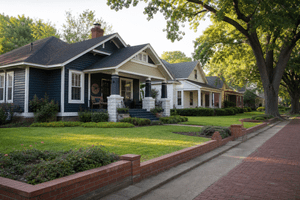
If you’re comparing a new build in far north Fort Worth to a resale home in an older, established Fort Worth neighborhood, the math now depends heavily on the specific incentive package, HOA and MUD fees, and how much you value a warranty and modern layout versus mature landscaping and a shorter commute.
Comparing Corridors to the Rest of Tarrant, Parker, and Hood Counties
Buyers looking at Fort Worth’s growth corridors are often cross-shopping nearby cities in Tarrant, Johnson, Parker, and Hood counties. Broadly, the Fort Worth side of the Metroplex — spanning those four counties — tends to offer a more affordable price environment with active new-construction pipelines and a lifestyle character that leans more suburban and exurban than the Dallas side.
That means your decision often isn’t just “which corridor of Fort Worth” but “Fort Worth corridor versus a nearby smaller city.” This is one of the most common questions we field from relocating buyers and move-up buyers right now, and it usually comes down to your specific commute, school preferences, and how much yard or acreage you want.
Frequently Asked Questions
Which part of Fort Worth is growing the fastest right now?
Far north Fort Worth, particularly the AllianceTexas area around ZIP code 76177, has been the fastest-growing new construction submarket in the region, along with the west corridor toward Aledo known locally as the Westoplex.
Are homes in Fort Worth’s growth corridors more expensive than resale homes elsewhere in the city?
Not necessarily. With DFW inventory rising and builder incentives increasing, new construction pricing in these corridors has moved closer to parity with resale homes elsewhere in Fort Worth once incentives are factored in.
Do homes in these growth corridors have extra fees like MUD or PID taxes?
Many newer developments in fast-growing corridors carry Municipal Utility District or Public Improvement District assessments in addition to standard property taxes. Always ask for the all-in effective tax rate, not just the base county and school rate, before comparing properties.
Is it better to buy now in a growth corridor or wait for the area to fill in more?
There’s no universal answer — buying earlier in a corridor’s growth cycle often means better pricing and incentives but more construction activity nearby, while waiting means more established infrastructure but likely higher prices. It depends on your timeline and how much disruption you’re willing to tolerate.
If you’re trying to figure out which Fort Worth-area growth corridor fits your budget and commute, we’re happy to walk through the specific trade-offs with you. Reach out anytime.
About The Chad Smith Team
The Chad Smith Team at Realty of America is one of the top-producing real estate teams in the Dallas-Fort Worth Metroplex, with more than 22 years of experience, 2,915 homes sold, and recognition by RealTrends among the top 1% of real estate professionals nationwide. The team helps first-time buyers, sellers, relocation clients, and new construction buyers throughout Arlington, Mansfield, Fort Worth, Midlothian, Waxahachie, and surrounding DFW communities. Through this blog, the Chad Smith Team shares expert market insights and practical advice to help North Texas buyers and sellers make informed real estate decisions.