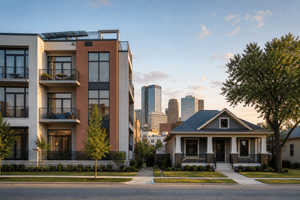
How Long Does It Take to Sell a Home in Dallas-Fort Worth?
How Long Does It Usually Take to Sell a Home in DFW?
Most homes in Dallas-Fort Worth take several weeks to go under contract and another 30 to 45 days to close after accepting an offer. In many cases, a realistic seller timeline is 45 to 90 days from listing to closing, but the actual timing depends on price, condition, location, buyer demand, interest rates, property type, inspection results, appraisal, and how well the home is prepared before it hits the market.
By The Chad Smith Team | July 9, 2026
If you are thinking about selling your home in Dallas-Fort Worth, one of the first questions you probably have is simple: how long is this going to take?
That is a fair question.
Maybe you need to move for work. Maybe you are buying another home. Maybe you inherited a property. Maybe you are relocating out of DFW. Or maybe you just want to know how quickly you can sell without leaving money on the table.
The honest answer is that the selling timeline depends on the home and the strategy.
A clean, well-priced home in a desirable area may sell quickly. An overpriced home, a home needing repairs, or a home in a slower price range may sit longer. Dallas, Fort Worth, Arlington, Mansfield, Midlothian, Waxahachie, Keller, Weatherford, Granbury, and other DFW communities do not all move at the same pace.
That is why sellers should understand the full timeline before listing.
The Average Selling Timeline in DFW
A common seller timeline in Dallas-Fort Worth looks something like this:
1 to 3 weeks to prepare the home before listing
2 to 8 weeks on the market, depending on price and demand
30 to 45 days from contract to closing
45 to 90+ days total from listing to closing for many sellers
Some homes sell faster. Some take longer.
If your home is priced correctly, shows well, and is in a competitive area, you may receive strong activity in the first week or two. If the home is priced too high or has condition issues, it may take longer to attract serious buyers.
The most important thing to understand is that “selling fast” is not just about speed. It is about speed, price, terms, and certainty.
Why Days on Market Matters
Days on market tells you how long a home has been listed before going under contract or selling.
Buyers pay attention to this number. So do agents.
When a home is new to the market, it usually gets the most attention. Buyers who have alerts set up will see it quickly. Agents will send it to active buyers. If the price and condition are strong, showings may happen right away.
But if the home sits, buyers may start asking questions.
They may wonder:
Is the home overpriced?
Did something come up during inspections?
Is the seller unwilling to negotiate?
Does the home need repairs?
Are there better options nearby?
Has the market shifted?
That does not mean a home cannot sell after sitting for a while. It can. But the longer a home sits, the more important pricing, presentation, and strategy become.
The First Two Weeks Are Critical
The first two weeks after listing are often the most important part of the selling process.
This is when your home is fresh. Buyers have not seen it before. Agents are paying attention. Online listing traffic is usually strongest. If the home is priced well and marketed properly, this is when you should expect meaningful activity.
During the first two weeks, sellers should watch:
Number of showings
Online views and saves
Buyer feedback
Agent feedback
Comparable homes going under contract
New competing listings
Price reductions nearby
Open house activity
Whether buyers are asking serious questions
If the home is getting showings but no offers, there may be a price, condition, or presentation issue.
If the home is getting very few showings, the price may be too high for the current buyer pool, the photos may not be strong enough, the home may not be positioned correctly, or the market may be slower in that specific price range.
Why Some DFW Homes Sell Faster Than Others
Two homes in the same city can sell at very different speeds.
A move-in-ready home in a popular price range may move quickly. A home with major repairs, older systems, unusual layout, high taxes, or an aggressive asking price may take longer.
Homes often sell faster when they have:
Strong pricing from day one
Clean presentation
Professional photos
Good curb appeal
Updated major systems
Flexible showing access
Competitive seller terms
Clear marketing
A desirable location for the buyer pool
Realistic negotiation expectations
Homes often take longer when they have:
Overpricing
Deferred maintenance
Poor photos
Limited showing availability
Strong competition nearby
High HOA dues or special assessments
Unresolved foundation, roof, or HVAC concerns
Unusual floor plans
Seller unwillingness to negotiate
Pricing based on emotion instead of market data
The market matters, but strategy matters too.
Location Changes the Timeline
Dallas-Fort Worth is not one single market.
A home in Fort Worth may sell differently than a home in Dallas. Arlington may move differently than Mansfield. Midlothian and Waxahachie may have different buyer pools than Keller, Weatherford, Granbury, Burleson, or Cleburne.
The selling timeline can change based on:
City
Neighborhood
School district boundaries
Price range
Property type
Age of home
Lot size
Commute access
New construction competition
Local inventory
Buyer demand in that area
For example, a well-priced home in an entry-level price range may attract more buyers than a higher-priced home with a smaller buyer pool. A resale home competing against builder incentives may need a different pricing and marketing strategy. A rural or acreage property may require more time because the buyer pool is smaller.
That is why a seller should not rely only on broad DFW averages. You need a pricing strategy based on your specific home and local competition.
Price Range Can Affect Speed
Price range is one of the biggest factors in how long a home takes to sell.
In general, homes in more affordable price ranges often have a larger buyer pool. Higher-priced homes may take longer because fewer buyers qualify for those payments.
That does not mean expensive homes cannot sell quickly. They can. But the buyer pool is usually narrower, and buyers in higher price ranges may be more selective.
A seller in Southlake, Keller, Grapevine, Frisco, or higher-priced parts of Dallas may need to think differently than a seller in Fort Worth, Arlington, Burleson, Cleburne, Joshua, Waxahachie, or parts of Grand Prairie.
The key is not just asking, “What is my home worth?”
The better question is, “At this price, how many qualified buyers are likely to act right now?”
Home Condition Can Add or Save Time
Condition affects both buyer interest and contract timing.
A clean, well-maintained home can help buyers feel more confident. A home with obvious repair issues may still sell, but it may attract more price-sensitive buyers, investors, or buyers who expect seller concessions.
Before listing, sellers should pay attention to:
Roof age
HVAC age
Foundation concerns
Plumbing issues
Electrical issues
Drainage
Windows
Paint
Flooring
Landscaping
Odors
Cleanliness
Clutter
Lighting
Small repairs
You do not always need to remodel before selling. In many cases, sellers should avoid over-improving. But basic preparation can make a major difference in how quickly buyers respond.
A buyer may forgive dated finishes if the home is clean, priced correctly, and well-maintained. Buyers are less forgiving when a home feels neglected and overpriced.
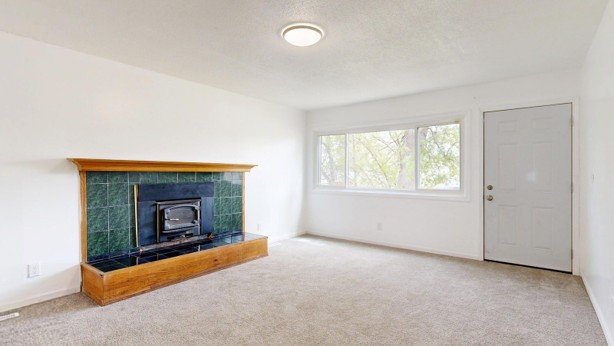
Pricing Too High Can Slow Everything Down
Overpricing is one of the most common reasons a home sits on the market.
Sellers sometimes want to “test the market” with a higher price. The risk is that the home may lose momentum during the most important launch window. Once buyers see the home sit, they may start assuming something is wrong or expect a discount.
A strong pricing strategy should consider:
Recent comparable sales
Active competition
Pending sales
Price reductions nearby
Days on market for similar homes
Buyer demand in your price range
Condition differences
Lot size
Updates
Location
Seller timeline
The goal is not to underprice your home. The goal is to position it where serious buyers see value and feel urgency.
A home can still sell for a strong price without being overpriced. In fact, accurate pricing often helps create better activity, stronger offers, and a smoother timeline.
Marketing Can Affect How Quickly a Home Sells
Marketing matters because buyers often decide whether to tour a home before they ever walk through the door.
A strong listing should include:
Professional photography
Clear property description
Accurate pricing
Clean showing instructions
Strong online presentation
Local market positioning
Exposure to buyer agents
Social and digital promotion when appropriate
Highlighting features buyers care about
Clear communication about updates, location, and value
Marketing does not fix an unrealistic price. But strong marketing can help a well-positioned home stand out.
See how the Chad Smith Team combines these elements into a complete Dallas-Fort Worth home marketing strategy, including preparation, positioning, digital exposure, active re-marketing, market feedback, and negotiation.
In a competitive DFW market, the listing needs to answer a buyer’s first question quickly: “Why should I see this home instead of the others?”
The Contract-to-Closing Timeline
Once you accept an offer, the home is not sold yet.
Most financed buyers need time for inspections, appraisal, underwriting, title work, insurance, and closing preparation. A common contract-to-closing period is about 30 to 45 days, though cash deals may close faster and some financed deals may take longer.
After accepting an offer, the timeline may include:
Option period
Buyer inspections
Repair negotiations
Appraisal
Loan underwriting
Title review
Survey review
HOA documents, if applicable
Final walkthrough
Closing documents
Funding
This part of the timeline can move smoothly when the buyer is well-qualified, the lender is responsive, the title work is clean, and the home appraises.
It can slow down if there are inspection issues, appraisal problems, buyer financing delays, title concerns, survey issues, HOA document delays, or repair negotiations.
Cash Offers Can Close Faster, but Price Still Matters
Cash offers can shorten the timeline because there is no lender underwriting or mortgage appraisal requirement.
Some cash buyers can close in a week or two if title is clear and both parties are ready.
But faster does not always mean better.
A cash offer may be lower than a financed offer. It may include inspection terms, assignment language, investor conditions, or other details that matter. Sellers should compare the full offer, not just the closing date.
When reviewing a cash offer, ask:
What is the net amount after all costs?
Is proof of funds provided?
Is there an option period?
Are there repair requests?
Is the buyer assigning the contract?
Is the buyer an investor or end buyer?
How soon can title close?
What happens if the buyer backs out?
A quick closing can be valuable, especially if you need speed. But if your goal is to maximize value, a well-marketed listing may produce a better result than accepting the first fast offer.
Selling As-Is May Change the Timeline
Selling as-is can sometimes speed up the process, especially if the seller does not want to make repairs.
But as-is does not always mean faster or easier. It usually means buyers will price the risk into their offer.
An as-is sale may work well if:
The home needs major repairs
The seller does not have cash for updates
The seller inherited the property
The seller wants a simpler sale
The buyer pool includes investors or renovation buyers
The price reflects condition
An as-is sale may take longer if the price does not match the condition. Buyers will still inspect the home, and lenders may still require certain repairs depending on the loan type.
In DFW, as-is homes can sell, but pricing and buyer targeting matter a lot.
New Construction Competition Can Slow Resale Homes
In some DFW areas, resale sellers compete directly with builders.
This can happen in North Fort Worth, Midlothian, Waxahachie, Forney, Princeton, Celina, Aubrey, Anna, Melissa, Denton County, Ellis County, and other growth markets.
Builders may offer:
Rate buydowns
Closing-cost credits
Inventory-home discounts
Appliance packages
Preferred-lender incentives
If your resale home is near active new construction, your pricing and marketing need to account for that. Buyers may compare your home against a new build with incentives, warranties, and modern finishes.
That does not mean resale homes cannot compete. They can, especially if they offer a better location, larger lot, mature landscaping, lower taxes, no waiting period, or stronger overall value.
But sellers should know the competition before choosing a list price.
What Sellers Can Do to Shorten the Timeline
If you want to sell faster, focus on the things you can control.
Before listing:
Declutter
Deep clean
Improve curb appeal
Make obvious small repairs
Replace burned-out bulbs
Touch up paint where needed
Service major systems if appropriate
Remove strong odors
Prepare the home for photos
Review comparable sales
Price realistically from day one
After listing:
Allow reasonable showing access
Review feedback quickly
Watch competing listings
Respond to serious buyer questions
Adjust if the market gives clear signals
Negotiate based on net proceeds, not emotion
Speed usually comes from preparation, pricing, access, and strategy working together.
When a Home Takes Longer Than Expected
If your home has been listed for several weeks with little activity, do not ignore the market feedback.
The issue may be:
Price
Photos
Condition
Showing access
Competition
Location
Buyer affordability
New construction incentives nearby
Marketing position
Limited buyer pool for the price range
The solution is not always a major price cut. Sometimes the listing needs better photos, stronger staging, improved access, refreshed marketing, or small repairs. Other times, the price simply needs to be corrected.
A seller should review the data with their agent:
How many showings have we had?
What feedback are buyers giving?
How many similar homes went under contract?
Did competing homes reduce price?
Are buyers choosing new construction?
Are we priced correctly for current demand?
What is our next adjustment?
A stale listing can still be saved, but sellers need to act based on evidence.
How The Chad Smith Team Helps Sellers Understand Timing
The Chad Smith Team helps sellers build a realistic selling timeline before the home goes live.
That includes looking at:
Local comparable sales
Current active competition
Days on market by area and price range
Buyer demand
Property condition
Pricing strategy
Preparation recommendations
Marketing plan
Showing strategy
Offer terms
Inspection and appraisal risks
Closing timeline
The Chad Smith Team at Realty of America has more than 22 years of experience, 2,915 homes sold, and 660+ client reviews across Dallas-Fort Worth. That experience matters because selling a home in DFW requires more than guessing at a price and waiting.
A seller in Arlington may need a different strategy than a seller in Mansfield. A Fort Worth seller may face different competition than a seller in Keller, Weatherford, Granbury, Midlothian, or Waxahachie.
The goal is to help sellers understand what is realistic, what can be improved, and how to move from listing to closing with a clear plan.
Frequently Asked Questions
How long does it take to sell a home in Dallas-Fort Worth?
Many DFW sellers should plan for roughly 45 to 90 days from listing to closing, depending on price, condition, location, buyer demand, loan type, inspection results, appraisal, and closing timeline.
How long does it take to get an offer on a house in DFW?
A well-priced, well-prepared home may receive offers in the first few weeks. Homes that are overpriced, need repairs, have limited showing access, or face strong competition may take longer.
How long does closing take after accepting an offer in Texas?
Many financed closings take about 30 to 45 days after the seller accepts an offer. Cash deals may clo
se faster, while some financed transactions may take longer because of appraisal, underwriting, title, survey, or inspection issues.
Why is my DFW home not selling quickly?
Common reasons include overpricing, poor presentation, weak photos, limited showing access, repair concerns, high competition, buyer affordability issues, or new construction incentives nearby.
Can I sell my DFW home faster by lowering the price?
Sometimes. A price adjustment can help if the home is not getting showings or offers. But sellers should also review photos, condition, marketing, showing access, and buyer feedback before deciding.
Do cash buyers close faster in Dallas-Fort Worth?
Often, yes. Cash buyers may be able to close faster because there is no lender underwriting process. Sellers should still review proof of funds, option period, contract terms, net proceeds, and buyer reliability.
When should I start preparing my home before listing?
Most sellers should start preparing at least a few weeks before listing. Decluttering, cleaning, small repairs, curb appeal, photos, pricing, and marketing preparation can all affect how quickly the home sells.
If you are wondering how long it will take to sell your home in Dallas-Fort Worth, the best answer depends on your specific property, price range, location, condition, and timeline. Some homes sell quickly, while others need more time and stronger positioning.
The Chad Smith Team can help you understand your local market, prepare your home, price it correctly, and build a selling strategy that fits your goals. If you are thinking about selling in Dallas, Fort Worth, Arlington, Mansfield, Midlothian, Waxahachie, Keller, Weatherford, Granbury, Burleson, Cleburne, or surrounding North Texas communities, reach out and we will help you understand what your timeline could look like.
About The Chad Smith Team
The Chad Smith Team at Realty of America is one of the top-producing real estate teams in the Dallas-Fort Worth Metroplex, with more than 22 years of experience, 2,915 homes sold, and 660+ client reviews. The team helps homeowners, move-up sellers, relocation clients, first-time sellers, new construction buyers, and DFW families throughout Arlington, Mansfield, Fort Worth, Midlothian, Waxahachie, Keller, Weatherford, Granbury, and surrounding North Texas communities. Through this blog, the Chad Smith Team shares expert market insights and practical advice to help North Texas buyers and sellers make informed real estate decisions.