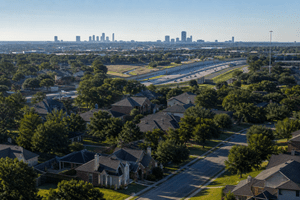
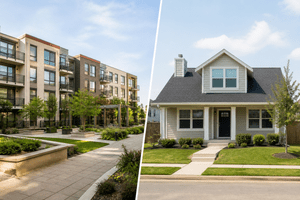
Tarrant County's New Homestead Exemption: What Mansfield Homeowners Save in 2026
How much is the Tarrant County homestead exemption in 2026?
Tarrant County's school district homestead exemption rose from $100,000 to $140,000 after Texas voters approved a statewide increase in November 2025. Tarrant County and the JPS Health Network also introduced new 10% homestead exemptions for the first time, on top of the school exemption. Homeowners 65 or older or with a qualifying disability get an additional $60,000 off their school taxable value — $200,000 in total school exemptions — plus a tax ceiling that locks their school taxes from increasing. Mansfield homeowners need to file with the Tarrant Appraisal District by April 30 to claim it.
By The Chad Smith Team | July 7, 2026
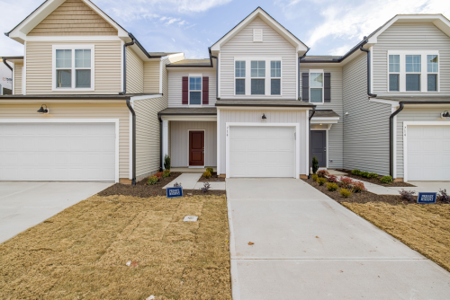
Tarrant County's expanded homestead exemptions can change the annual ownership cost for Mansfield homeowners.
If you own a home in Mansfield, this is one of the more meaningful tax changes to hit Tarrant County in years — and a lot of homeowners still don't know it happened. Between the school exemption jump and the brand-new county-level exemptions, the math on what you actually owe each year has shifted. Here's what changed, what it's worth in real dollars, and what it means whether you're staying put, selling, or buying your first home here.
What Changed With Tarrant County's Homestead Exemption

The exemption lowers taxable value, so the real savings depend on each home's assessed value and tax-rate stack.
For years, the school district homestead exemption in Texas sat at $100,000. Voters raised it to $140,000 in November 2025, and it applies retroactively to the 2025 tax year and forward. That's $40,000 more of your home's value shielded from school property taxes — historically the largest single piece of a Texas tax bill.
On top of that, Tarrant County and JPS Health Network rolled out their own 10% homestead exemptions for 2025 — the first time either entity has offered one. That's a new discount stacked on top of the school exemption, applied to the county and hospital district portions of your bill.
If you're 65 or older, or you qualify for a disability exemption, you're getting an even bigger break: an additional $60,000 off your school taxable value, for $200,000 total, plus a ceiling that freezes your school taxes at their current level for as long as you own and live in the home.
Put together, a typical Mansfield home in the $450,000–$575,000 range — which is where most of the city's resale and new construction inventory sits right now — could see several hundred to over a thousand dollars in annual savings compared to last year's rules, depending on your home's assessed value and which taxing entities apply to your address. The exact number depends on your specific tax rate stack (city, school, county, hospital district, and any MUD or PID assessments), so it's worth running your own numbers or asking your tax office for a breakdown rather than assuming a flat percentage.
What This Means If You're Selling in Mansfield

For Mansfield sellers, lower effective taxes can become part of the buyer payment conversation.
If you've owned your home for a while, this exemption increase is already lowering your carrying costs — which matters if you've been debating whether to sell now or wait. A lower effective tax bill makes holding onto the property less expensive month to month, which takes some of the pressure off a "sell now or never" decision.
It also changes the conversation with buyers. Mansfield's market has more inventory than it did a couple of years ago, and buyers are comparing monthly payments closely — taxes included. Being able to tell a buyer that the effective tax burden on your home just went down, and walking them through the new exemption math, is a real selling point, especially for move-up buyers weighing your listing against new construction in communities like South Pointe or M3 Ranch, where builders often quote payments before the buyer's own exemption is factored in.
One thing to flag for your own closing: your homestead exemption doesn't transfer to the buyer. Taxes get prorated at closing based on the current year's bill, but the new owner has to file their own exemption after closing to get the same benefit going forward. Your title company will handle the proration math, but it's worth understanding so you're not surprised by the closing statement.
What This Means If You're Buying in Mansfield
If you're shopping for a home in Mansfield right now, the exemption increase is good news for your monthly payment math — but only once you've filed. The exemption isn't automatic. You have to apply for it yourself with the Tarrant Appraisal District after you close, and it only reduces your school tax bill starting the year you qualify.
Here's where buyers get tripped up: mortgage lenders often estimate your monthly payment using the current owner's tax bill, or a generic percentage, when you're shopping and getting pre-approved. That number usually doesn't reflect your future homestead exemption, which means your actual long-term payment could be lower than what you see in a pre-approval letter. It's worth asking your lender to model your payment with the exemption applied once you're serious about an offer, so you're comparing houses on an apples-to-apples basis.
This also matters when you're weighing new construction against resale. New homes in Mansfield's newer communities often carry higher assessed values in their first year or two, and if the neighborhood includes a Municipal Utility District (MUD) or Public Improvement District (PID) assessment, that's a separate cost stacked on top of your regular tax bill — one the homestead exemption doesn't touch. Understanding the full tax picture, not just the sticker price, is part of comparing your options honestly.
How to Claim Your Homestead Exemption

After closing, Mansfield buyers need to file their own homestead exemption with the appraisal district.
Filing is free and doesn't require an attorney or title company. Here's the short version:
Who qualifies: You must own the home and use it as your primary residence as of January 1 of the tax year.
When to file: By April 30 of the tax year, though late applications are sometimes accepted — check with the appraisal district directly.
Where to file: Through the Tarrant Appraisal District (TAD), either online or by mailing in the application.
What you need: A copy of your Texas driver's license or state ID showing the property address.
Additional exemptions: If you're 65 or older, or qualify for a disability exemption, file for those at the same time — they layer on top of the standard exemption.
If you bought your home partway through last year and haven't filed yet, don't wait. It's a straightforward form, and skipping it means paying more than you have to on your next bill.
Frequently Asked Questions
Does the homestead exemption transfer when I buy a house in Mansfield?
No. The seller's exemption ends when they no longer own or live in the home, and the new owner has to file their own homestead exemption after closing. Taxes at closing are prorated based on the current bill, not your future exemption.
How much will the new exemption actually save me on my Mansfield home?
It depends on your home's assessed value and which taxing entities apply to your address, but the school exemption increase alone shields an additional $40,000 of value from school taxes, and the new county and JPS exemptions add another 10% off those portions of your bill. Your tax office or a local agent can run your specific numbers.
Is Tarrant County's homestead exemption the same as a senior or disability exemption?
No, they stack. The standard exemption applies to every qualifying homeowner. Homeowners 65 or older, or those with a qualifying disability, get an additional $60,000 off their school taxable value on top of the standard exemption, plus a tax ceiling that prevents their school taxes from rising further.
What happens if I miss the April 30 filing deadline?
You may still be able to file a late application in some cases, but the safest approach is to file as soon as you close on a home or as soon as you realize you haven't filed. Contact the Tarrant Appraisal District directly to confirm your options.
Does this exemption change affect new construction homes in Mansfield differently than resale homes?
The exemption itself applies the same way to any primary residence, but new construction communities with a MUD or PID assessment carry additional costs the homestead exemption doesn't reduce. It's worth understanding your full tax picture — not just the base rate — before comparing new construction to resale.
The Bottom Line
Tarrant County's homestead exemption changes are a real, if underreported, shift in what it costs to own a home in Mansfield — and they cut both ways depending on whether you're getting ready to sell, actively house hunting, or just making sure you're not overpaying on your current home.
The math gets specific fast once you factor in your home's actual assessed value, the taxing entities tied to your address, and whether new construction assessments or senior exemptions apply to your situation. If you want help running your own numbers, whether you're deciding when to list or comparing what a specific Mansfield home will actually cost you month to month, we're happy to walk through it with you. Reach out anytime.
About The Chad Smith Team
The Chad Smith Team at Realty of America is one of the top-producing real estate teams in the Dallas-Fort Worth Metroplex, with more than 22 years of experience, 2,915 homes sold, and recognition by RealTrends among the top 1% of real estate professionals nationwide. The team helps first-time buyers, sellers, relocation clients, and new construction buyers throughout Arlington, Mansfield, Fort Worth, Midlothian, Waxahachie, and surrounding DFW communities. Through this blog, the Chad Smith Team shares expert market insights and practical advice to help North Texas buyers and sellers make informed real estate decisions.