Pool at Your Mansfield Home: Asset or Liability When Selling?
Does having a pool help or hurt when selling a home in Mansfield, TX?
In Sun Belt markets like Texas, a well-maintained pool is generally an asset, not a liability. National data shows homes with pools sell for roughly 1.5 to 7 percent more than comparable homes without one, and in warm-climate markets that premium can reach 10 to 15 percent. The catch is condition and cost: an inground pool typically costs $60,000 to $90,000 to install and $1,200 to $1,800 a year to maintain, and a poorly maintained or outdated pool can narrow your buyer pool and extend your time on market.
By The Chad Smith Team | August 4, 2026
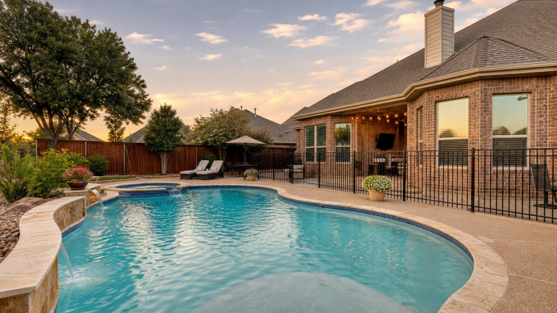
Mansfield’s climate makes pools a genuinely different conversation than they’d be in a lot of the country. Here’s how we walk sellers through whether their pool is helping their sale, and what to do if it needs work before you list.
Why location changes the math on pools
Nationally, the data on pools and home value is mixed. Zillow’s research shows pools adding around 1.5 percent to sale price on average, while other analyses from Redfin and Curbio put the number closer to 7 percent. But those national averages blend markets where a pool is a bonus with markets where it’s closer to a liability.
Location is the biggest factor. In colder climates — the Midwest, the Northeast, parts of the Pacific Northwest — a pool can add little to no value and sometimes gets treated as a maintenance burden buyers actively price down. In Sun Belt states, including Texas, Arizona, Florida, and California, the calculus flips. Pools in these markets can add 10 to 15 percent or more to a home’s value, because buyers expect and want them given the number of months they’re actually usable.
For Mansfield sellers, that generally means a pool works in your favor — as long as it’s in good condition.
The real costs behind a pool
Before you decide whether to fix up, remove, or simply market your pool as-is, it helps to know the full cost picture:
• Installation cost (if building new): A typical inground pool runs $60,000–$90,000, which is relevant context if a buyer is weighing your home against a comparable one without a pool.
• Annual maintenance: Most owners spend $1,200–$1,800 a year on chemicals, cleaning, utilities, and routine repairs.
• Insurance: A pool can add roughly $50–$100 or more per year to a homeowners insurance premium, largely due to liability coverage.
• ROI on installation: If you installed the pool yourself, the typical return is 40–60 percent of what you spent — meaning a $60,000 pool might add $24,000–$36,000 in value. In Texas, that return often lands at the higher end of the range or beyond it.
When a pool helps your sale
A pool tends to work in your favor in Mansfield when:
• It’s clean, well-maintained, and free of visible cracks, staining, or equipment issues
• The surrounding decking and fencing are in good repair
• Safety features meet current standards, which matters both for buyer confidence and for insurance purposes
• Your target buyer pool skews toward families or buyers actively seeking outdoor living space, which is common in much of Mansfield
When a pool works against you
A pool can become a liability in a sale when:
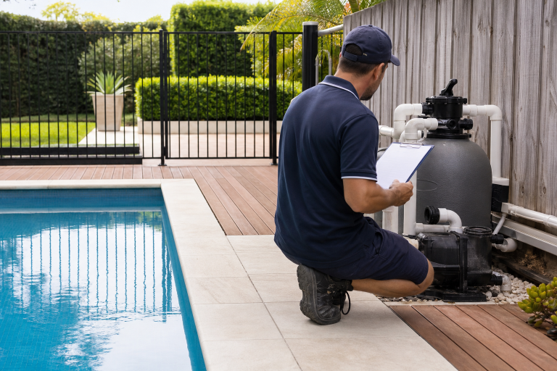
• It’s outdated or in poor condition. Cracked plaster, an aging pump or filter system, or visible algae staining signals deferred maintenance to buyers and often triggers a request for a credit or repair during option period.
• It narrows your buyer pool. Some buyers — particularly those with young children or limited time for upkeep — actively avoid homes with pools, regardless of condition.
• It affects your insurance and inspection process. Buyers’ insurance carriers may require specific safety features or documentation before binding a policy, and a pool inspection can surface costly issues that weren’t visible at a walkthrough.
What we tell sellers with a pool before they list
If your pool is in solid shape, you generally don’t need to do much beyond routine cleaning and making sure the water is clear and balanced for showings and photos. Buyers respond well to a pool that looks inviting and low-maintenance.
If your pool needs work, the decision is usually between:
1. Making targeted repairs — resurfacing, equipment repair, or deck work — before listing, if the cost is reasonable relative to the value it protects.
2. Pricing to reflect the pool’s condition and disclosing known issues upfront, which is required under the Texas Seller’s Disclosure Notice regardless of which path you choose.
3. In rare cases, filling it in, which is a significant expense itself and usually only makes sense if the pool is beyond reasonable repair and actively deterring buyers.
Whatever known issues exist with your pool — equipment problems, past repairs, or leaks — need to be disclosed on your Texas Seller’s Disclosure Notice. We cover what you actually have to disclose beyond the standard form in more detail, but getting ahead of the disclosure with documentation of repairs can actually work in your favor with buyers.
Frequently Asked Questions
Does a pool add value to a home in Texas specifically?
Generally, yes. Texas is a Sun Belt market where pools are in demand for much of the year, and well-maintained pools typically add value rather than detract from it, unlike in colder climates.
Should I fix my pool before listing, or sell as-is?
It depends on the scope of the issue. Minor cosmetic repairs are usually worth doing before you list. Larger structural or equipment issues are worth discussing with your agent to weigh repair cost against pricing the home to reflect the pool’s condition.
Do I have to disclose problems with my pool when selling?
Yes. Known defects with your pool, including equipment issues, leaks, or past repairs, must be disclosed on the Texas Seller’s Disclosure Notice.
Will a pool scare off buyers with young kids?
Some buyers with young children do avoid pools due to safety concerns, but many others specifically want one. It typically shifts your buyer pool rather than shrinking it significantly in a market like Mansfield.
How much does pool maintenance typically cost per year?
Most homeowners spend $1,200 to $1,800 annually on chemicals, cleaning, and routine upkeep, which is worth mentioning to buyers who may be unfamiliar with ongoing pool costs.
Whether your pool is an asset or a liability in your specific sale depends on its condition, your buyer pool, and how it’s priced relative to comparable homes. We’re happy to take a look and talk through what makes sense for your situation. Reach out anytime.
About The Chad Smith Team
The Chad Smith Team at Realty of America is one of the top-producing real estate teams in the Dallas-Fort Worth Metroplex, with more than 22 years of experience, 2,915 homes sold, and recognition by RealTrends among the top 1% of real estate professionals nationwide. The team helps first-time buyers, sellers, relocation clients, and new construction buyers throughout Arlington, Mansfield, Fort Worth, Midlothian, Waxahachie, and surrounding DFW communities. Through this blog, the Chad Smith Team shares expert market insights and practical advice to help North Texas buyers and sellers make informed real estate decisions.