Buying Acreage in Aledo: What to Check Before You Make an Offer
What should you check before buying acreage in Aledo, TX?
Before you make an offer on acreage in Aledo, verify the essentials rural land depends on: water access (a private well or a rural water supply connection), whether the soil can support a septic system permitted through the TCEQ and Parker County, the boundary survey and any easements, floodplain status, and any deed restrictions on how the land can be used. Getting these confirmed during your option period protects you from expensive surprises after closing.
By The Chad Smith Team | September 7, 2026
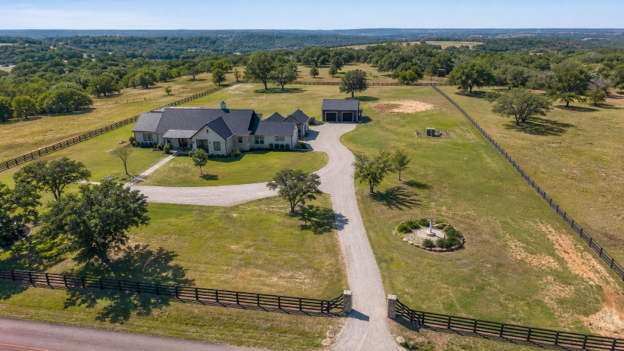
Aledo sits in Parker County, just west of Fort Worth, and it’s one of the most sought-after spots in the western DFW Metroplex for buyers who want land. The appeal is obvious: room to spread out, a rural feel, and a location that’s still an easy drive to the metro.
But buying acreage is a different transaction than buying a house on a standard subdivision lot. A home comes with city water, city sewer, and utilities already at the curb. Raw or lightly improved land often doesn’t — and the things you can’t see are usually the things that matter most.
Here’s what to check before you sign, based on what actually trips buyers up in Parker County.
First, understand the market you’re buying into
Land in and around Aledo is not cheap, and prices vary enormously by parcel size, improvements, and location.
As of 2026, listings near Aledo averaged around $1 million, with per-acre figures that swing widely — small, close-in improved tracts push the average per-acre number way up, while larger raw parcels across Parker County as a whole averaged closer to the five-figures-per-acre range. In other words, a 2-acre homesite near town and a 40-acre raw tract on the county’s edge are completely different products at completely different prices.
The takeaway: don’t judge a parcel by the headline average. What matters is what that specific tract offers and what comparable land has actually traded for — data a local agent can pull, since Texas is a non-disclosure state and final sale prices aren’t public record.
Water: the single most important question
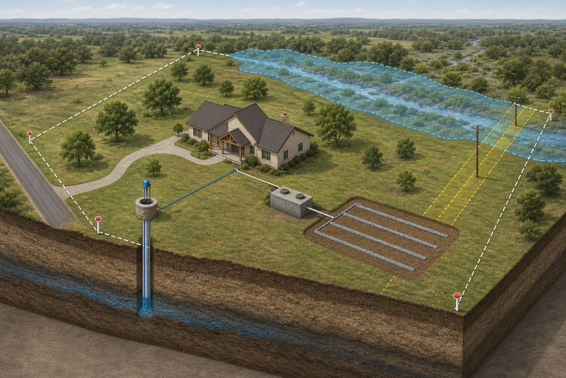
On acreage, water is everything. There are two ways land gets it:
• A rural water supply connection — many properties around Aledo can tap a rural water district or co-op. Confirm the property already has a meter, or find out the cost and timeline to bring a line to your building site.
• A private well — if the land relies on a well, you need to know its depth, condition, flow rate (gallons per minute), and water quality. On older tracts, a well may be worn out or underperforming.
Never assume water is handled. Ask for documentation, and make well testing part of your due diligence — not something you discover after closing.
Septic: what the soil will actually allow
Most acreage in Aledo isn’t on city sewer. That means a septic system — technically an On-Site Sewage Facility (OSSF) — and not every parcel is equally suited to one.
A few things to verify:
• Soil suitability. North Texas clay soils, seasonal rainfall, and Parker County conditions all affect what kind of system a site can support. Some lots work fine with a conventional system; others require a more expensive aerobic system.
• Permitting. The Texas Commission on Environmental Quality (TCEQ) sets the rules, and Parker County handles local permitting. You must have a permit before installing a system.
• Existing systems. On older properties, a septic system may have been installed years ago without permits or sized for a use that no longer fits. Get any existing system inspected.
If a parcel can’t support the system you need, that changes what you can build — and what the land is worth to you.
Survey, easements, and boundaries
With acreage, you’re buying dirt, and the exact edges of that dirt matter. A current boundary survey tells you where your lines actually run, whether fences match the deed, and where any easements sit.
Easements are common on rural land — utility lines, pipelines, shared access roads, or a neighbor’s right to cross your property. They can limit where you build. Our overview of property surveys in Texas walks through why this step is worth doing before you close, not after.
Floodplain, access, and deed restrictions
A few more items that regularly affect Parker County land buyers:
1. Floodplain status. Part of a tract can sit in a FEMA-designated floodplain, which affects where you can build and whether you’ll need flood insurance. Verify this early.
2. Legal and physical access. Confirm the property has a legal, recorded route to a public road — not just a path someone has always used. Landlocked parcels are a real risk.
3. Deed restrictions and ETJ rules. Some acreage carries private deed restrictions (minimum home size, livestock limits, no manufactured homes). Land near Aledo may also fall within a city’s extraterritorial jurisdiction, which can affect subdividing and development.
4. Property taxes and exemptions. Ask whether the land carries an agricultural valuation. Losing an ag exemption after you buy — or changing the land’s use — can significantly raise your tax bill.
Use your option period wisely
Texas gives buyers a powerful tool here: the option period, a negotiated window early in the contract when you can terminate for any reason while you investigate. On acreage, this is when the real work happens — well testing, septic feasibility, survey review, floodplain and access verification.
If you’re new to how this works, our guide to the Texas option period explains how buyers use it to protect themselves. On a land deal, that window is your best defense.
None of this is meant to scare you off — Aledo acreage is a genuinely appealing buy for the right person. It just rewards buyers who check the fundamentals first. That’s exactly the kind of legwork we help clients think through before they ever write an offer on land.
Frequently Asked Questions
How much does land cost per acre in Aledo, TX?
It varies widely by parcel. As of 2026, listings near Aledo averaged around $1 million, with per-acre pricing heavily influenced by size, location, and improvements — smaller improved homesites near town cost far more per acre than large raw tracts. A local agent can pull comparable sales, since Texas is a non-disclosure state and exact sold prices aren’t public.
Do I need a well and septic system for acreage in Aledo?
Often, yes. Much of the acreage around Aledo relies on a private well or a rural water connection and an on-site septic system rather than city utilities. Confirm water access and have the soil evaluated for septic suitability before you commit.
Who handles septic permits in Parker County?
Septic systems in Texas are regulated by the Texas Commission on Environmental Quality, with local permitting handled at the county level in Parker County. You must obtain a permit before installing a new on-site sewage facility.
What is an ag exemption and why does it matter?
An agricultural valuation lets qualifying land be taxed based on its agricultural use rather than market value, which lowers property taxes. If you buy land with an ag valuation and change how it’s used, you can lose the exemption and face a much higher tax bill, so confirm the current status before buying.
Should I get a survey before buying land in Aledo?
Yes. A current boundary survey confirms exactly where your property lines run, whether fences match the deed, and where any easements sit. On acreage, this is essential due diligence, not an optional extra.
Before you write that offer
Buying acreage in Aledo can be one of the best moves you make — but only if the land can do what you need it to do. Water, septic suitability, boundaries, access, and restrictions are the make-or-break items, and every one of them is checkable before you’re committed.
If you’re looking at a tract in Aledo or elsewhere in Parker County and want a second set of eyes on the fundamentals, we’re glad to help you work through the checklist. Reach out anytime.
About The Chad Smith Team
The Chad Smith Team at Realty of America is one of the top-producing real estate teams in the Dallas-Fort Worth Metroplex, with more than 22 years of experience, 2,915 homes sold, and recognition by RealTrends among the top 1% of real estate professionals nationwide. The team helps first-time buyers, sellers, relocation clients, and new construction buyers throughout Arlington, Mansfield, Fort Worth, Midlothian, Waxahachie, and surrounding DFW communities. Through this blog, the Chad Smith Team shares expert market insights and practical advice to help North Texas buyers and sellers make informed real estate decisions.