Texas HOA Resale Certificates: What Buyers and Sellers Pay
What Is an HOA Resale Certificate in Texas?
An HOA resale certificate is a required disclosure document showing a home's current dues, any unpaid assessments, pending violations, and the association's financial and governing information. Texas law caps the fee at $375, plus up to $75 more if the documents are delivered electronically, and the association must deliver it within 10 business days of a request or lose the right to charge for it at all. Sellers typically pay for the resale certificate itself, while buyers are almost always responsible for a separate HOA capital contribution fee, transfer fee, and other closing charges that can add another $1,000 to $2,000 or more on top of everything else.
By The Chad Smith Team | July 17, 2026
If your Mansfield home is in an HOA community — and with the pace of new construction here, odds are good it is — the resale certificate is a piece of paperwork that shows up in nearly every closing. Here's what it covers and who actually pays for it.

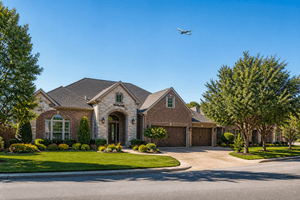
HOA communities are common in Mansfield, especially in newer neighborhoods and active-growth areas.
What's Actually in a Resale Certificate
A resale certificate gives a buyer a real financial snapshot of the HOA before they close, including:
Current dues amount and payment schedule
Any unpaid assessments or special assessments tied to the property
Pending violations against the property
The association's financial statements and governing documents
This requirement comes from Texas Property Code Chapter 207 for homeowners associations and Section 82.157 for condominiums. Once issued, a resale certificate is only valid for 60 days — if your closing slips past that window, a new one is typically required.

A resale certificate helps buyers review dues, assessments, violations, and HOA documents before closing.
The Fee Cap and Timeline Rules
Texas law puts firm limits on what an HOA can charge and how long it can take:
The resale certificate fee is capped at $375.
If the association delivers documents electronically, it can charge an additional fee of up to $75 for that delivery.
The HOA must respond within 10 business days of receiving a request.
If the HOA misses that 10-business-day deadline, it loses the right to charge for the certificate at all.
Under most Texas contracts, the seller is then required to deliver the resale certificate to the buyer within a set window — commonly 7 days unless the contract specifies otherwise. That means the clock starts early in a transaction, and delays on either end can genuinely slow down a closing.
Who Pays What: A Breakdown
The resale certificate fee itself is typically the seller's responsibility, since it's tied to disclosing information about the property being sold. But that's only one line item — several other HOA-related costs land on the buyer:
Capital contribution fee: A one-time fee that goes into the HOA's reserves, separate from your regular monthly dues. It commonly runs two to three times your monthly dues amount, and depending on the community, can range from a few hundred dollars to several thousand.
Transfer fee: Also capped at $375 under Texas Property Code Section 209.0051, this covers the administrative cost of transferring the property into the new owner's name with the association.
Move-in deposits and document/portal fees: Smaller charges that vary by community but add up.
Altogether, closing-time HOA charges commonly total $1,000 to $2,000 or more on top of your down payment and standard closing costs — a number that catches a lot of first-time HOA buyers off guard. The standard TREC/TAR HOA addendum (Paragraph C) governs exactly how these costs get allocated, including a negotiable dollar cap on what the buyer is responsible for before the seller picks up the rest.

HOA transfer fees, capital contributions, and closing charges should be budgeted as separate line items.
This is a point worth negotiating rather than accepting as fixed. In a market where buyers have more leverage, it's reasonable to ask a seller to cover part or all of the capital contribution fee as a closing cost concession, especially on a higher-priced HOA community where that fee runs into the thousands.
Why This Matters for Your Timeline and Budget
If you're selling, request your resale certificate as early as possible once you're under contract. The HOA's 10-business-day response window isn't instant, and requesting it late is one of the more avoidable ways a closing gets delayed.
If you're buying, budget for capital contribution and transfer fees as a real, separate line item — not something that gets absorbed into your general closing cost estimate. This is especially relevant if you're considering new construction in Mansfield, where, as we've covered before, an HOA is essentially universal across active communities.
It's also worth asking for the HOA's most recent financial statements and reserve study alongside the resale certificate, not just the dues and violation summary. A community with underfunded reserves is more likely to hit residents with a special assessment down the road, and that's the kind of thing worth knowing before you commit to a specific neighborhood, not after you've already closed.

HOA reserves, dues, and special-assessment risk all affect the real cost of buying in a community association.
What We Help Buyers and Sellers With
For sellers, we make sure the resale certificate request goes out early enough that it doesn't become a bottleneck on your closing date. For buyers, we help you understand the real, all-in HOA costs for a specific community before you're surprised by them at the closing table.
If you have questions about HOA costs on a specific Mansfield property, we're happy to help you sort out the numbers.
Frequently Asked Questions
What is an HOA resale certificate?
It's a required disclosure document showing a property's HOA dues, unpaid assessments, pending violations, and the association's financial and governing information. It gives a buyer a clear financial picture of the HOA before closing.
How much can a Texas HOA charge for a resale certificate?
The fee is capped at $375, plus up to $75 more if the documents are delivered electronically. If an HOA charges more than these caps, that charge may not be enforceable under Texas law.
Who pays the HOA capital contribution fee, buyer or seller?
The buyer is almost always responsible for the capital contribution fee, which is a one-time payment into the HOA's reserves separate from monthly dues. It commonly runs two to three times the monthly dues amount.
How long does an HOA have to provide a resale certificate in Texas?
The association must respond within 10 business days of receiving a request. Once issued, the resale certificate is valid for 60 days before a new one would typically be required.
What happens if the HOA doesn't deliver the resale certificate on time?
If the HOA misses the 10-business-day deadline, it loses the right to charge for the certificate at all, though the delay itself can still affect your closing timeline if it isn't resolved quickly.
About The Chad Smith Team
The Chad Smith Team at Realty of America is one of the top-producing real estate teams in the Dallas-Fort Worth Metroplex, with more than 22 years of experience, 2,915 homes sold, and recognition by RealTrends among the top 1% of real estate professionals nationwide. The team helps first-time buyers, sellers, relocation clients, and new construction buyers throughout Arlington, Mansfield, Fort Worth, Midlothian, Waxahachie, and surrounding DFW communities. Through this blog, the Chad Smith Team shares expert market insights and practical advice to help North Texas buyers and sellers make informed real estate decisions.